
Spring in West Georgia brings warmer temperatures, blooming trees, frequent rainfall, plus the return of strong thunderstorms.
For homeowners in Carrollton, Villa Rica, Bowdon, plus surrounding communities, spring is an important time to pay attention to roof conditions.
Heavy rainfall, strong winds, hail, plus falling tree limbs can expose vulnerabilities that developed during the winter months.
While no amount of preparation can make a roof completely stormproof, routine maintenance can help reduce avoidable damage.
At The Roof Guy of Georgia, we believe the best time to understand your roof’s condition is before severe weather arrives.
Why Spring Storms Deserve Attention
Georgia’s spring weather can change quickly.
Warm, moist air moving north from the Gulf of Mexico frequently interacts with approaching weather systems, creating conditions favorable for thunderstorms.
Some storms produce heavy rainfall, damaging winds, hail, or isolated tornadoes.
Even storms that don’t produce severe weather can expose existing roofing deficiencies.
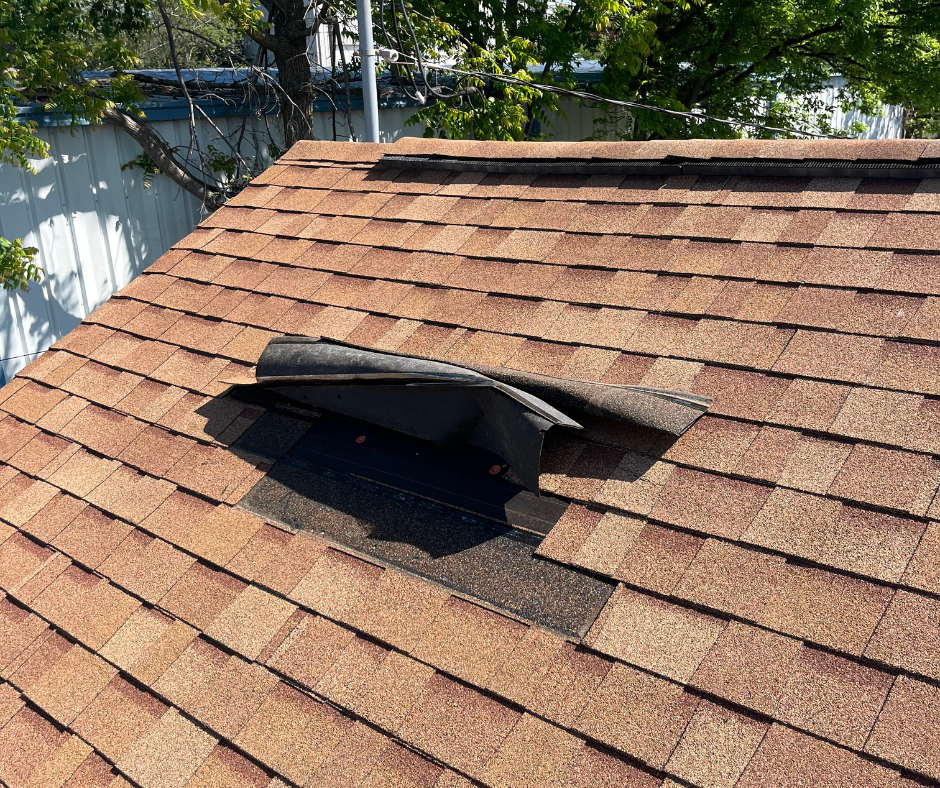
A small opening around a plumbing vent, deteriorated flashing, or a drainage obstruction may remain unnoticed during light rainfall but become apparent during a prolonged downpour.
The important distinction is that a storm doesn’t necessarily create every problem discovered afterward.
Sometimes severe weather simply reveals a condition that already existed.
Understanding that difference helps homeowners make better decisions about necessary repairs.
1. Start With a Professional Roof Inspection
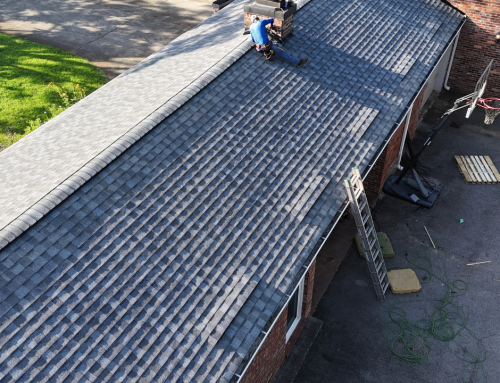
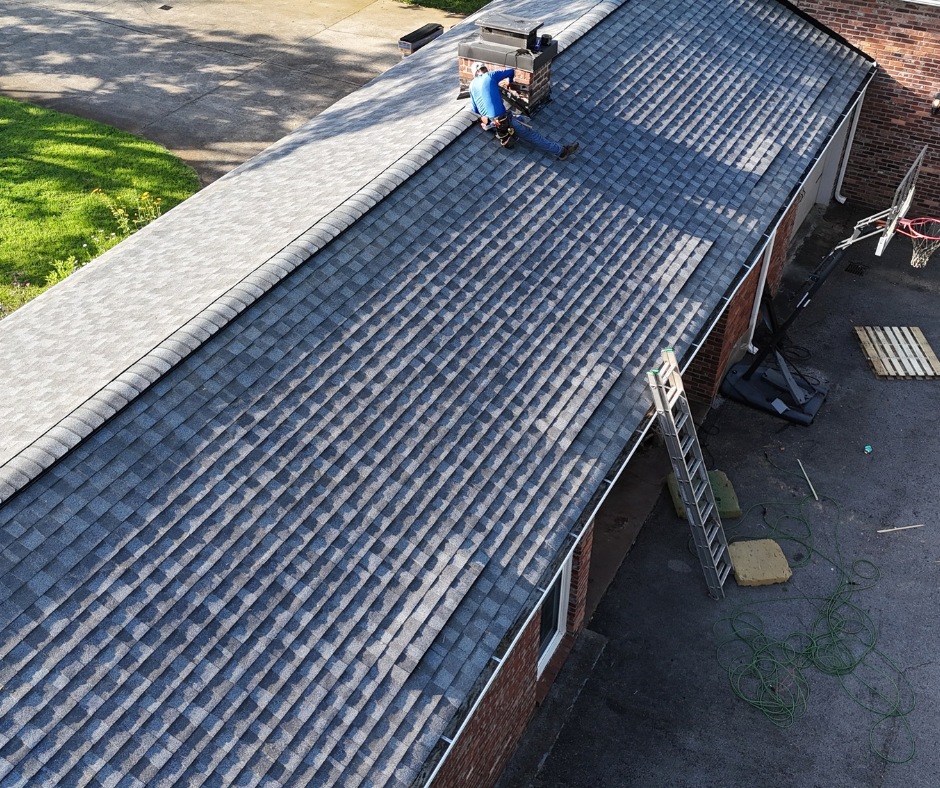
A pre-storm inspection provides an opportunity to identify visible deficiencies before severe weather tests the roofing system.
A professional evaluation may include:
- Shingle condition
- Flashing around chimneys, walls, plus roof penetrations
- Plumbing vent boots
- Roof valleys
- Previous repair areas
- Gutters plus drainage pathways
- Visible signs of moisture intrusion
- Attic ventilation concerns
An inspection can also establish photographic documentation of the roof’s condition before storm activity.
That documentation may become useful when comparing conditions following a significant weather event.
Knowing your roof’s condition before a storm provides a valuable starting point for future decisions.
2. Clear Debris From Roof Valleys
Roof valleys are designed to collect water from adjoining roof slopes, directing it toward the gutters.
Because water concentrates in these areas, proper drainage is especially important.
Leaves, pine needles, twigs, plus other debris can accumulate in valleys over time.
When enough material collects, it can restrict water movement or retain moisture against roofing materials.
In some circumstances, water may be redirected beneath vulnerable roofing details.
Professional debris removal helps maintain intended drainage paths.
For homes surrounded by mature trees, valley maintenance may be particularly important before periods of heavy rainfall.
3. Inspect Gutters Plus Downspouts
Gutters play an important role in directing roof runoff away from the home.
When gutters become clogged, water may overflow behind gutter sections, saturate fascia boards, or collect near the foundation.
Before spring storms arrive, homeowners should look for:
- Leaves or debris blocking gutters
- Sagging or detached gutter sections
- Loose downspouts
- Visible corrosion or damaged seams
- Water staining near the roof edge
- Downspout discharge too close to the foundation
A properly functioning drainage system helps move rainwater away from vulnerable building components.
Gutter maintenance may seem routine, but its importance becomes obvious during heavy rainfall.
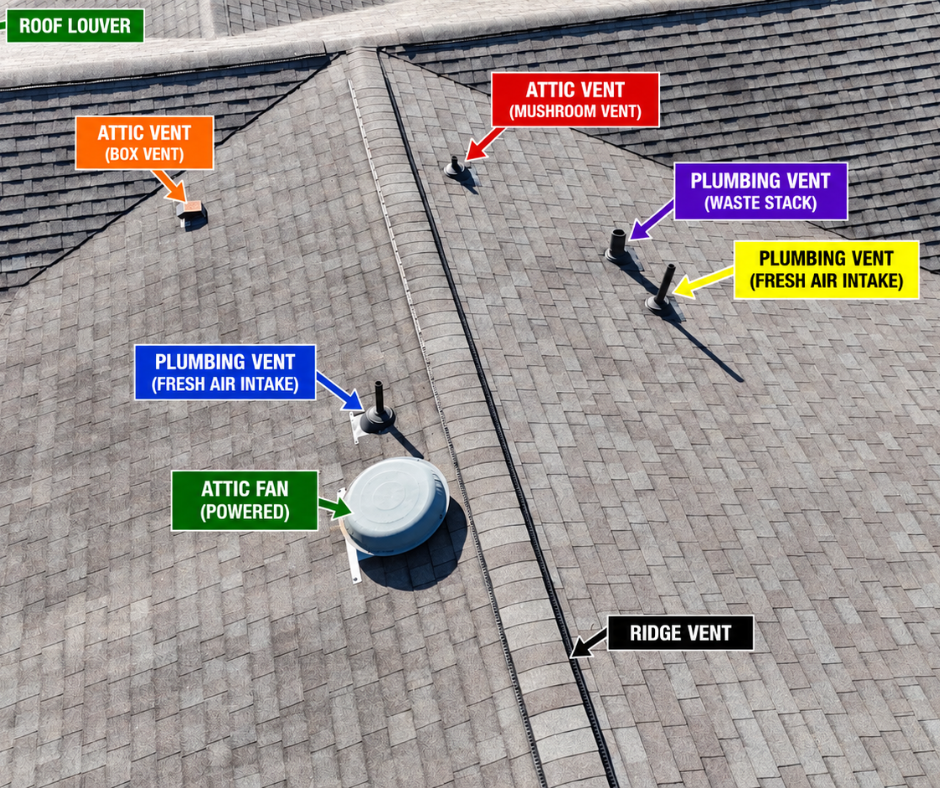
4. Pay Attention to Flashing Plus Roof Penetrations
Many roof leaks originate around transitions rather than in the open field of shingles.
These vulnerable areas include:
- Chimneys
- Plumbing vents
- Skylights
- Wall intersections
- Exhaust vents
- Roof-to-wall connections
Flashing systems are designed to direct water away from these openings.
Over time, rubber components may crack, fasteners may loosen, or previous sealant repairs may deteriorate.
Wind-driven rain can exploit small openings that aren’t noticeable during ordinary weather.
Identifying these conditions before storm season may allow relatively straightforward repairs.
5. Evaluate Overhanging Trees
Trees provide shade, improve landscaping, plus contribute to a property’s appearance.
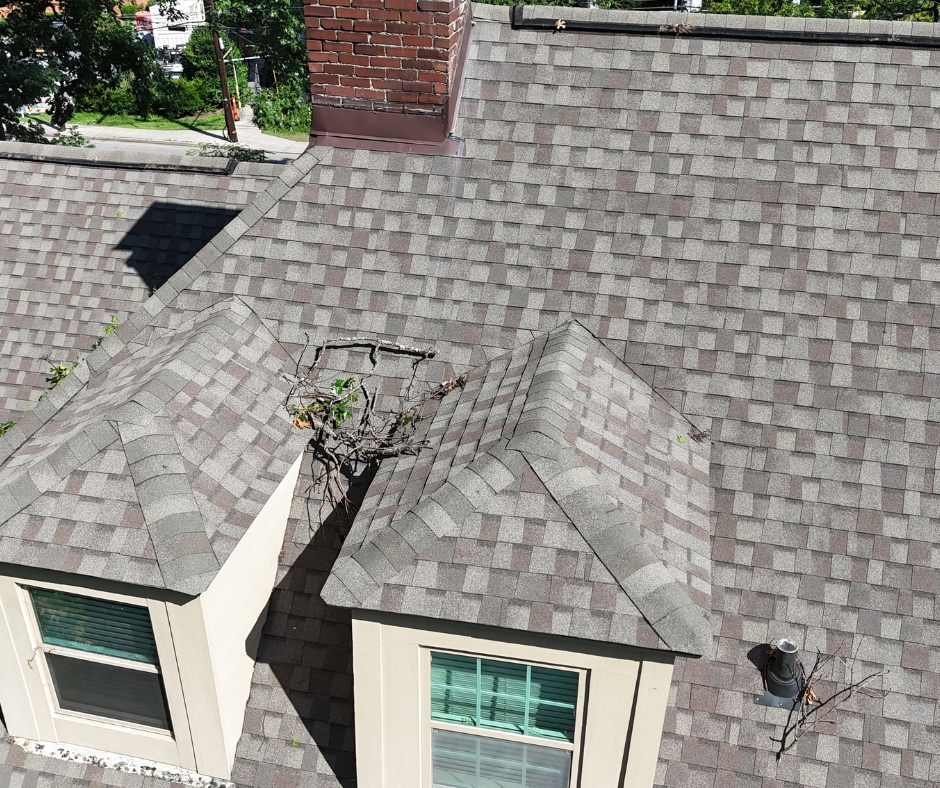
However, branches extending over a roof can create additional risks during severe weather.
Potential concerns include:
- Falling limbs
- Branches rubbing against roofing materials
- Accumulated leaves or pine needles
- Restricted sunlight that encourages biological growth
- Exhaust vents
- Debris blocking roof drainage
Homeowners should look for dead limbs, visibly damaged branches, or trees showing signs of instability.
Tree trimming or removal near a roof should be performed by qualified professionals.
The objective isn’t necessarily to remove every nearby tree. It’s to reduce identifiable hazards.
6. Address Known Roofing Problems Before Heavy Rainfall
If you already know your roof has a problem, spring is not the time to ignore it.
A small leak, loose flashing component, or deteriorated pipe boot may become more troublesome during repeated rainstorms.
When practical, targeted repairs can address these deficiencies before additional water intrusion occurs.
For example, replacing a damaged plumbing vent boot may eliminate a known vulnerability.
Securing displaced flashing may restore proper water management at a roof transition.
Clearing a blocked valley may improve drainage during heavy rainfall.
Preventative attention is generally more manageable than dealing with interior water damage after a storm.
7. Document Your Roof’s Condition
Photographs are useful for more than identifying visible damage.
They establish a record of what roofing components looked like at a particular point in time.
Professional drone photography can capture roof surfaces, valleys, flashing locations, plus other areas that may be difficult to observe from the ground.
Documentation can be particularly helpful when evaluating conditions after a major storm.
A comparison between earlier photographs plus current observations may help distinguish preexisting deterioration from newly visible changes.
While photographs cannot establish every aspect of storm damage, they provide useful supporting information.
The Difference Between Storm Damage Plus Normal Wear
One of the most important parts of a post-storm evaluation is distinguishing damage caused by a specific weather event from conditions that developed gradually.
For example, cracked sealant, deteriorated rubber boots, or longstanding granule loss may reflect age or maintenance issues.
Wind-displaced shingles or impact damage may indicate storm-related conditions.
The distinction isn’t always obvious from the ground.
A professional evaluation should focus on observable evidence rather than assuming every irregularity was caused by the most recent storm.
That approach helps homeowners understand what actually needs attention.
The Roof Guy Approach to Storm Preparedness
One of the most important parts of a post-storm evaluation is distinguishing damage caused by a specific weather event from conditions that developed gradually.
For example, cracked sealant, deteriorated rubber boots, or longstanding granule loss may reflect age or maintenance issues.
Wind-displaced shingles or impact damage may indicate storm-related conditions.
The distinction isn’t always obvious from the ground.
A professional evaluation should focus on observable evidence rather than assuming every irregularity was caused by the most recent storm.
That approach helps homeowners understand what actually needs attention.
Preparation Begins Before the Forecast Turns Severe
You can’t control Georgia’s spring weather.
You can, however, take reasonable steps to understand your roof’s condition, address known deficiencies, plus maintain important drainage components.
A professional inspection before storm season may identify problems that would otherwise remain unnoticed until heavy rainfall arrives.
For homeowners throughout Carrollton, Villa Rica, Bowdon, plus surrounding West Georgia communities, The Roof Guy of Georgia provides roof inspections, storm assessments, maintenance, targeted repairs, plus photographic documentation.


Leave A Comment