
When water stains appear on a ceiling, many homeowners immediately assume something is wrong with their shingles.
However, some of the most common roof leaks originate in areas where roofing materials meet another building component.
Chimneys, plumbing vents, skylights, walls, plus other roof penetrations create transitions that require careful waterproofing.
These areas rely on properly installed flashing, seals, plus drainage details to keep rainwater outside.
For homeowners throughout Carrollton, Villa Rica, Bowdon, plus surrounding West Georgia communities, understanding these vulnerable areas can help identify problems before they cause extensive interior damage.
At The Roof Guy of Georgia, we believe finding the source of a leak is more important than simply treating the visible symptom.
1. Plumbing Vent Boots: Small Components With Important Responsibilities
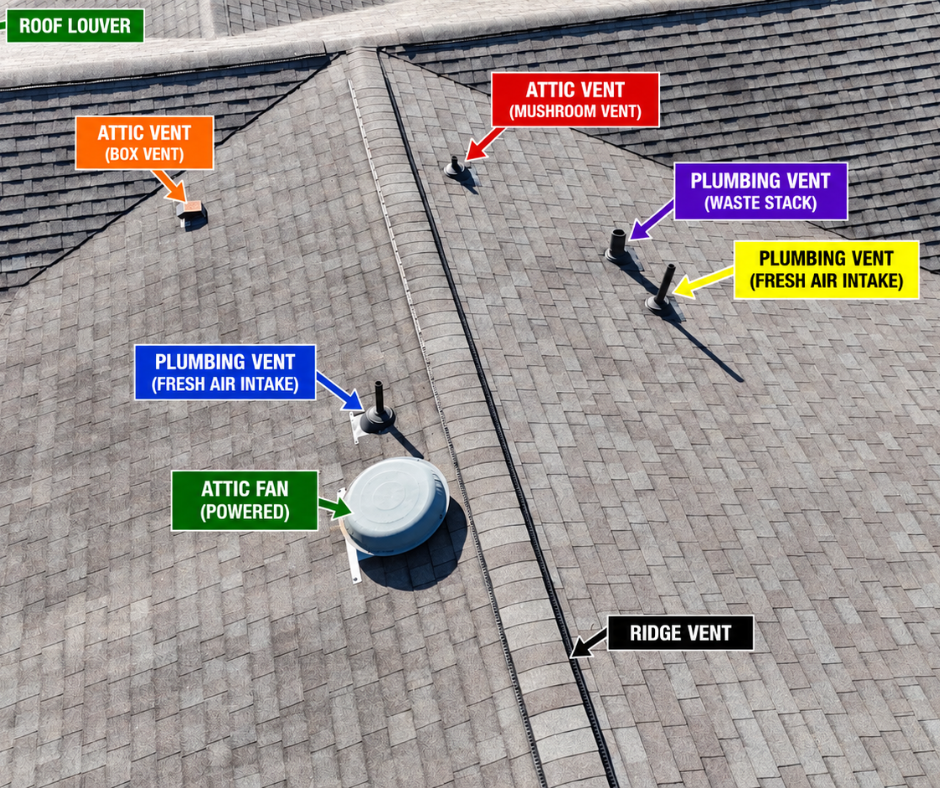
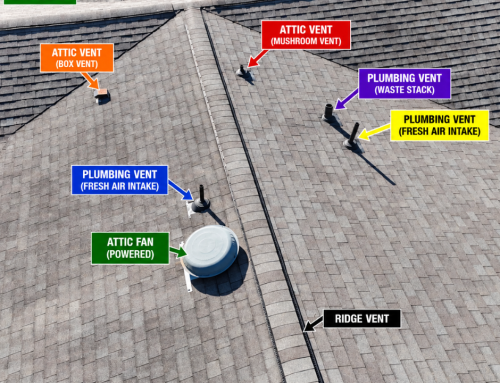
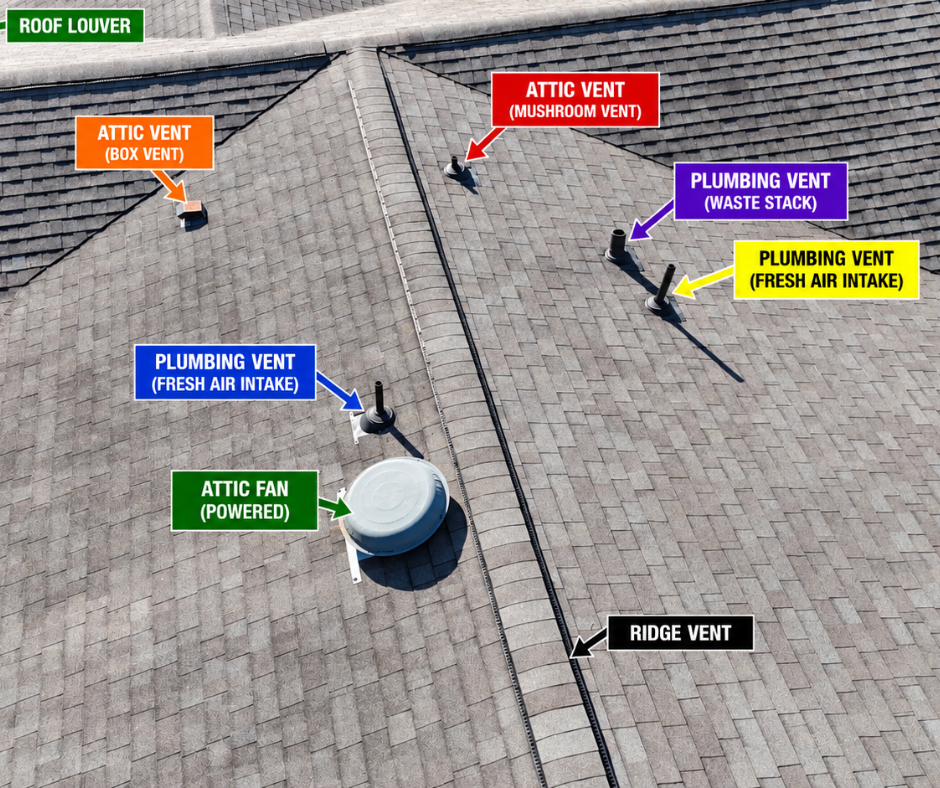
Plumbing vent pipes extend through the roof to allow the home’s plumbing drainage system to function properly.
Where these pipes penetrate the roof, a flashing assembly commonly called a pipe boot provides weather protection.
Many residential pipe boots incorporate a rubber or flexible seal around the vent pipe.
Over time, exposure to sunlight, temperature changes, plus weather can cause these seals to deteriorate.
Common warning signs include:
- Cracked rubber collars
- Gaps around vent pipes
- Split or deteriorated seals
- Loose flashing
- Improperly installed fasteners
- Previous temporary sealant repairs
A deteriorated pipe boot can allow water to enter around the vent pipe, even when surrounding shingles remain intact.
Fortunately, many pipe boot deficiencies can be addressed through localized repairs.
2. Chimney Flashing: Managing Water Around a Large Roof Opening
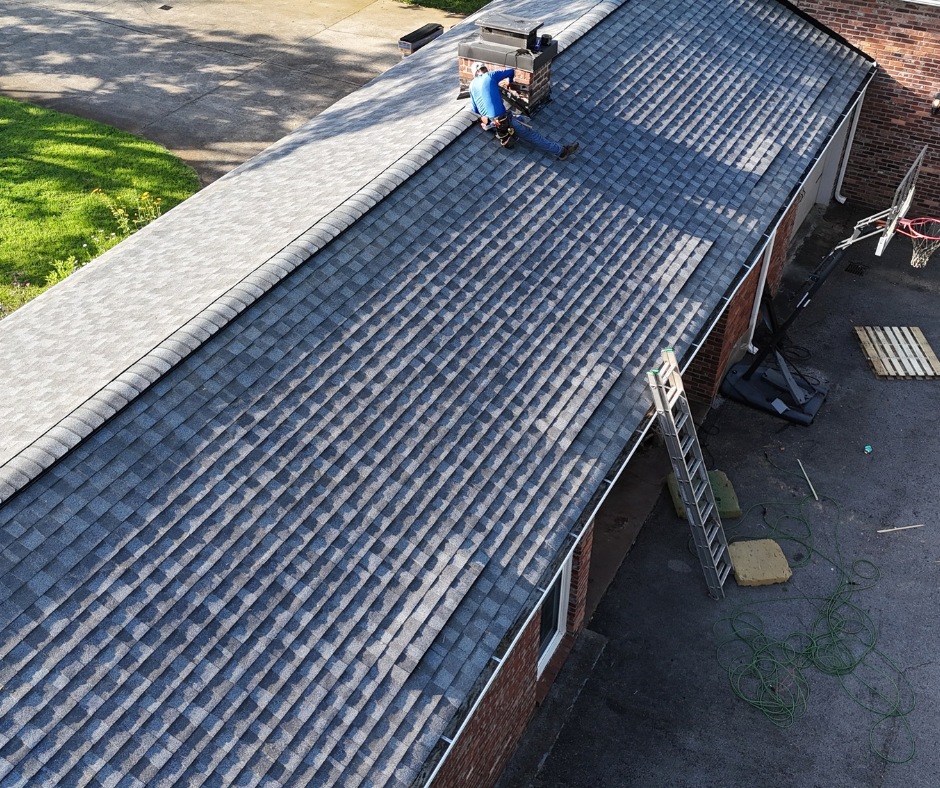
Chimneys create one of the more complex transitions on many residential roofs.
Water must be directed around the chimney while accommodating the connection between roofing materials plus masonry or other chimney surfaces.
A properly designed chimney flashing system commonly includes several components.
Step Flashing: Individual metal pieces integrated with successive courses of roofing material along the sides of the chimney.
Counterflashing: Metal installed over the upper portions of step flashing to protect the transition against water intrusion.
Apron Flashing: A flashing component that directs water away from the lower side of the chimney.
Back Pan or Cricket: Depending on chimney size plus roof configuration, additional flashing or a small roof diversion structure may direct water around the upper side.
Problems can develop when flashing becomes loose, corroded, improperly sealed, or displaced.
Chimney masonry may also develop cracks or other deficiencies that allow moisture intrusion.
A proper leak investigation should consider both the roofing components plus the chimney itself.
3. Skylights: Understanding Where Leaks Develop
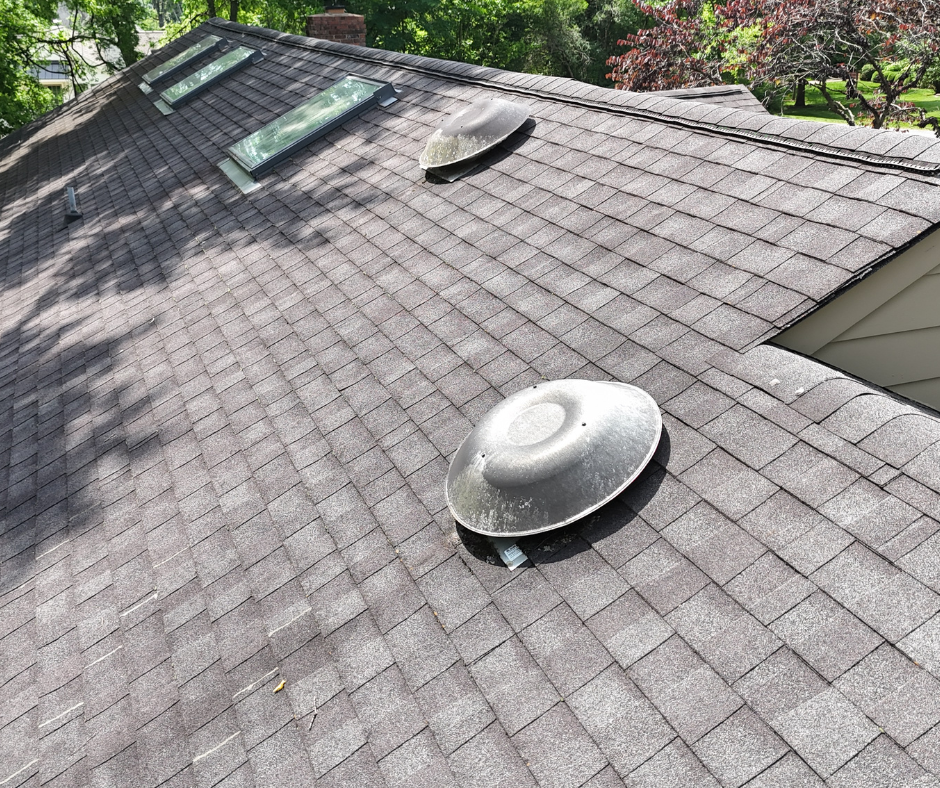
Skylights provide natural light, but they also create openings in the roofing system.
A properly installed skylight uses a coordinated system of flashing, glazing, seals, plus drainage features.
Potential leak sources include:
- Damaged skylight flashing
- Deteriorated glazing seals
- Improper installation
- Blocked drainage channels
- Damaged surrounding roofing materials
- Condensation on interior surfaces
Not every water stain near a skylight indicates a roof leak.
Under certain conditions, condensation can develop on skylight surfaces, particularly when indoor humidity is elevated.
Determining whether moisture originates from exterior water intrusion or interior condensation is an important part of accurate diagnosis.
A professional evaluation helps identify the likely source before corrective work begins.
4. Roof-to-Wall Flashing: A Frequently Overlooked Detail
Many homes have roof sections that intersect exterior walls.
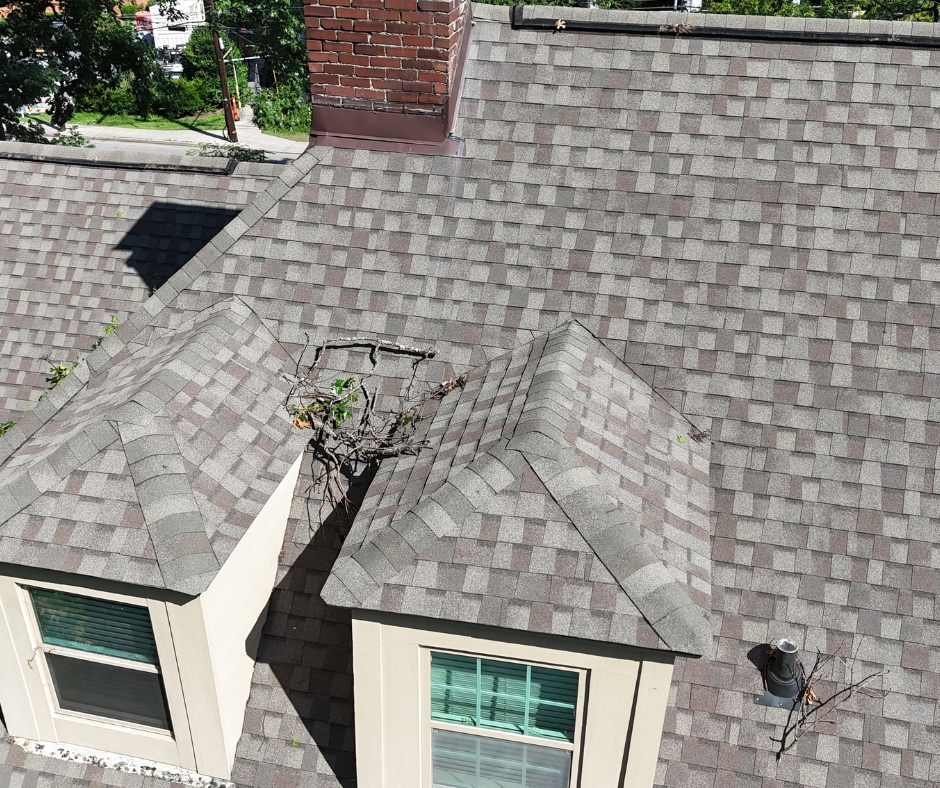
These transitions occur around dormers, additions, porches, plus changes in building elevation.
Roof-to-wall connections require properly integrated flashing to direct water onto the roofing surface.
Depending on the design, these assemblies may include step flashing, counterflashing, headwall flashing, or kickout flashing.
Kickout flashing is particularly important where a sloped roof terminates against a wall near a gutter.
Its purpose is to direct water away from the wall assembly plus into the gutter.
Missing or improperly installed kickout flashing can allow water to flow behind siding or other exterior materials.
Over time, this may contribute to concealed moisture damage.
Because the problem may not be immediately visible, proper evaluation of roof-to-wall transitions is important.
5. Roof Valleys: Where Water Flow Concentrates
Roof valleys are formed where two sloped roof surfaces meet.
These areas collect water from adjoining roof sections, creating concentrated drainage pathways.
Depending on the roofing system, valleys may use exposed metal flashing or appropriately installed roofing materials.
Potential problems include:
- Debris accumulation
- Damaged valley materials
- Improper installation
- Corroded metal
- Displaced shingles
- Deteriorated previous repairs
Leaves, pine needles, plus other organic debris can collect in valleys, particularly on homes surrounded by mature trees.
Accumulated material may restrict drainage or retain moisture against roofing components.
Routine cleaning helps preserve intended water flow.
6. Exposed Fasteners Plus Previous Repairs
Some roof leaks develop around exposed fasteners or areas where previous work was performed.
Improperly placed nails, deteriorated fastener seals, or poorly executed repairs can create openings for water intrusion.
In some cases, a previous repair may have relied heavily on exposed sealant rather than proper flashing or water-shedding details.
Sealants can serve important purposes in roofing assemblies, but they are not universally appropriate as the primary method of waterproofing.
A professional evaluation should determine whether the existing detail is functioning as intended.
Correcting the underlying deficiency is generally preferable to repeatedly applying additional sealant without addressing the cause.
Why the Location of a Ceiling Stain Can Be Misleading
One of the most challenging aspects of roof leak diagnosis is that water doesn’t always appear directly beneath the point where it entered.
Water may travel along:
- Roof decking
- Rafters
- Trusses
- Plumbing pipes
- Electrical penetrations
- Insulation
- Interior framing
Gravity, surface tension, plus building geometry can influence the path moisture follows.
A ceiling stain near a hallway may originate from a roof penetration several feet away.
This is why simply applying sealant above the visible stain may not solve the problem.
Effective leak diagnosis involves tracing the evidence toward the actual source.
Not Every Ceiling Stain Comes From the Roof
Although roofing deficiencies are common causes of water intrusion, other building systems can produce similar symptoms.
Potential sources include:
- Plumbing leaks
- HVAC condensation
- Bathroom exhaust problems
- Interior humidity
- Condensation on cold surfaces
- Exterior wall leaks
For example, an improperly insulated HVAC duct in an attic may develop condensation during humid weather.
That moisture can drip onto ceiling materials, creating a stain that resembles a roof leak.
A professional evaluation should consider these possibilities before assuming the roofing system is responsible.
Why Temporary Repairs Sometimes Fail
When a leak appears, homeowners understandably want it stopped quickly.
Temporary sealant applications or surface patches may provide short-term protection in certain situations.
However, they don’t always correct the underlying deficiency.
For example, applying sealant around deteriorated chimney flashing may not address improper water management behind the flashing assembly.
Likewise, coating a cracked plumbing vent boot may not provide the durability of an appropriate repair.
Repeated temporary repairs can also make future diagnosis more difficult by concealing original conditions.
The appropriate repair should address the actual source of water intrusion whenever practical.
The Value of Professional Leak Diagnosis
A professional leak investigation begins by gathering information about the problem.
Useful details include:
- When the leak first appeared
- Whether it occurs during every rainfall
- Whether wind direction affects the leak
- Whether the stain is growing
- Previous repair history
- Nearby roof penetrations
- Accessible attic observations
Exterior roof evaluation, photographic documentation, plus targeted investigation can help narrow down potential sources.
In some situations, controlled water testing or additional investigation may be necessary.
Not every leak can be conclusively identified during an initial inspection, particularly when conditions are intermittent or concealed.
However, a systematic approach is more effective than guessing.
Fall Is a Good Time to Address Roof Leaks
November brings cooler temperatures, seasonal rainfall, plus increased leaf accumulation throughout West Georgia.
These conditions can reveal drainage restrictions or existing vulnerabilities around roof transitions.
Homes surrounded by trees may experience additional debris accumulation in valleys or gutters.
Before winter weather arrives, it is useful to address known leaks, inspect vulnerable flashing details, plus clear drainage pathways.
A localized repair performed before repeated water intrusion may help prevent additional deterioration of surrounding materials.
The Roof Guy Approach to Leak Diagnosis
At The Roof Guy of Georgia, our services focus on four core principles.
Inspect: Evaluate roofing components, identify visible deficiencies, plus document conditions through professional photography.
Repair: Diagnose leaks while addressing localized problems involving flashing, pipe boots, roof penetrations, plus other repairable components.
Maintain: Help preserve roofing systems through debris removal, gutter cleaning, plus preventative maintenance.
Improve: Identify opportunities to enhance drainage, ventilation, plus overall roof performance.
Our goal is to help homeowners understand the problem before deciding what work is appropriate.
Find the Source, Not Just the Symptom
A roof leak doesn’t automatically mean the entire roofing system has failed.
Many leaks originate from specific components or transitions that can be evaluated individually.
Understanding the roles of flashing, pipe boots, skylights, plus drainage details helps homeowners recognize why accurate diagnosis matters.
For homeowners throughout Carrollton, Villa Rica, Bowdon, plus surrounding West Georgia communities, The Roof Guy of Georgia provides professional leak investigations, targeted roof repairs, preventative maintenance, plus photographic documentation.
The Roof Guy of Georgia
Roofing Without the Pressure.


Leave A Comment