July brings some of the hottest weather of the year to West Georgia. While homeowners are focused on keeping their homes comfortable, their roofing systems are exposed to prolonged sunlight, high temperatures, humidity, plus afternoon thunderstorms.
Understanding how these conditions affect a roof can help homeowners recognize developing problems before they become expensive repairs.
Heat Affects More Than Shingles
Asphalt shingles are designed to withstand sunlight, but prolonged exposure to heat plus ultraviolet radiation gradually ages the materials.
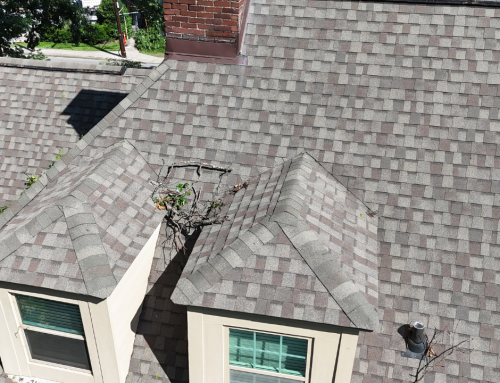
Over time, homeowners may notice curling shingles, surface cracking, granule loss, or uneven discoloration.
These conditions do not automatically mean a roof needs replacement. Their significance depends on the roof’s age, material condition, installation quality, plus the extent of deterioration.
Your Attic Plays an Important Role
During Georgia summers, attic temperatures can rise substantially above outdoor temperatures.
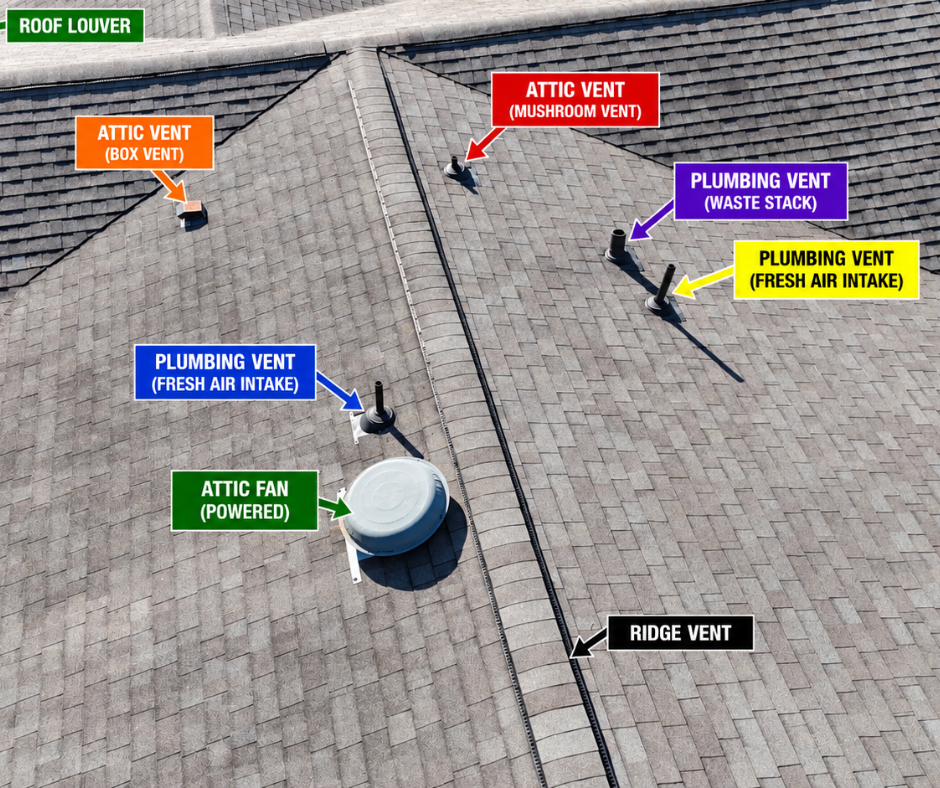
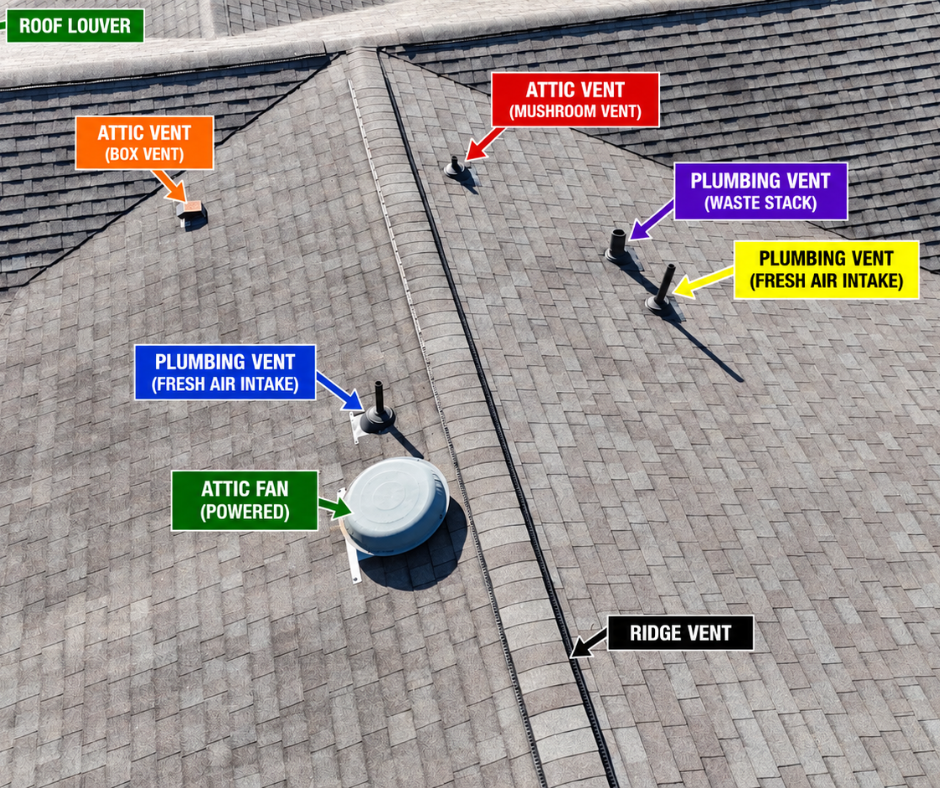
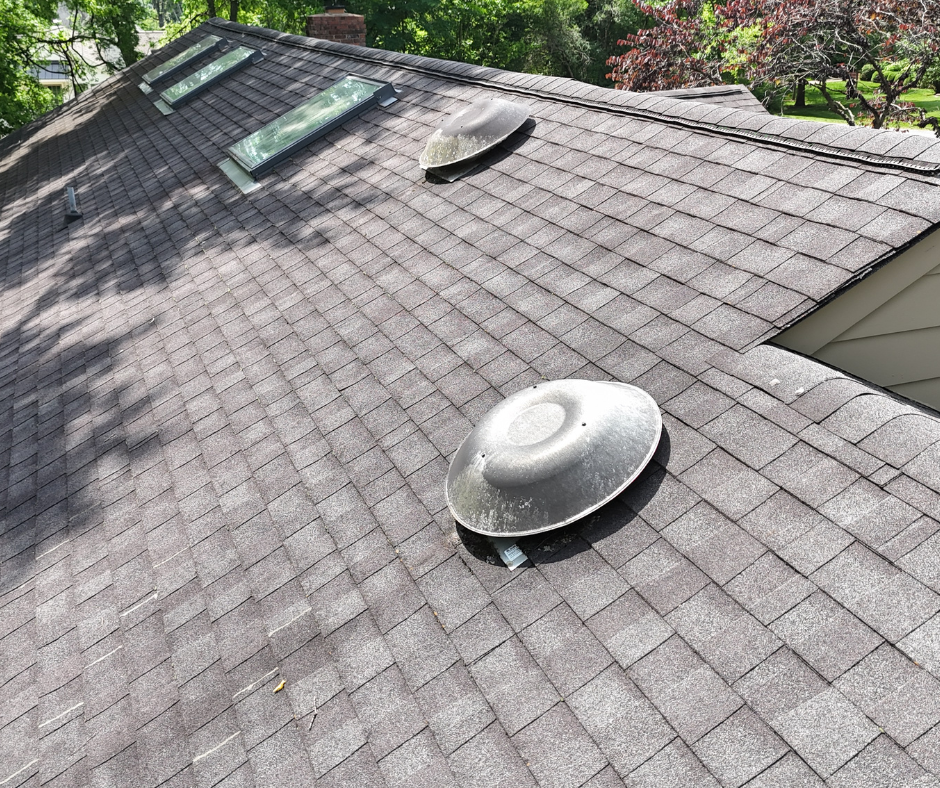
A properly designed ventilation system allows outside air to enter through intake vents near the eaves, then exit through exhaust vents near the roof’s uppermost areas.
Inadequate ventilation can contribute to excessive heat accumulation, moisture problems, plus premature deterioration of roofing materials.
Ventilation must also work with appropriate insulation plus air sealing to support indoor comfort.
Summer Thunderstorms Expose Weak Points
Heavy rainfall can reveal roofing deficiencies that have developed gradually.
Common trouble spots include:
- Flashing around chimneys,
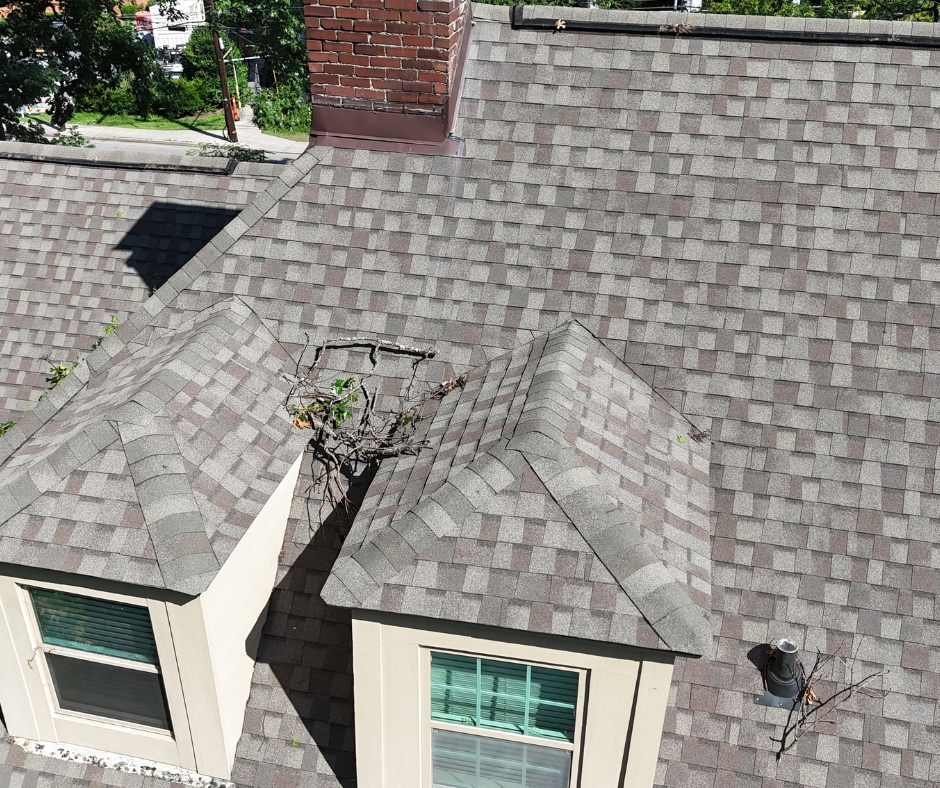
skylights, or roof penetrations. - Deteriorated pipe boots.
- Loose or damaged shingles.
- Clogged gutters or downspouts.
- Roof-to-wall intersections.
A leak appearing during a summer thunderstorm does not necessarily mean the storm caused the underlying problem.
Maintenance Before Replacement
Not every roofing concern requires major repairs.
A deteriorated pipe boot, isolated flashing deficiency, or obstructed drainage system may be addressed through targeted maintenance or repair.
The important distinction is understanding what has failed, why it failed, plus whether the surrounding roofing materials remain serviceable.
Understanding Your Roof
A roof is more than its shingles. It is a system of materials designed to manage water, ventilation, plus environmental exposure.
Knowing how those components function helps homeowners make informed decisions about maintenance, repairs, or future improvements.
The Roof Guy of Georgia
Roofing Without the Pressure.
Inspect. Repair. Maintain. Improve.

Leave A Comment