Most homeowners understand the importance of maintaining their vehicles, servicing their heating systems, or keeping their gutters clear. Yet one of the most important protective systems on their property often receives attention only after something goes wrong.
Your roof works every day, protecting your home from sunlight, rain, wind, humidity, plus changing temperatures.
Like other building components, roofing materials experience gradual wear. Small deficiencies can develop over time, sometimes remaining unnoticed until water intrusion or visible damage occurs.
For homeowners throughout Carrollton, Villa Rica, Bowdon, plus surrounding West Georgia communities, preventative roof maintenance offers a practical way to protect their property while reducing avoidable expenses.
At The Roof Guy of Georgia, we believe maintaining the roof you already have should be a priority, not an afterthought.
What Is Preventative Roof Maintenance?
Preventative roof maintenance involves periodically evaluating roofing components, identifying developing concerns, plus addressing appropriate maintenance needs before they become more serious.
Rather than waiting for a leak or visible damage, maintenance focuses on preserving the roofing system’s existing condition.
Common services include:
- Removing debris from roof surfaces
- Cleaning roof valleys
- Clearing gutters or downspouts
- Inspecting flashing
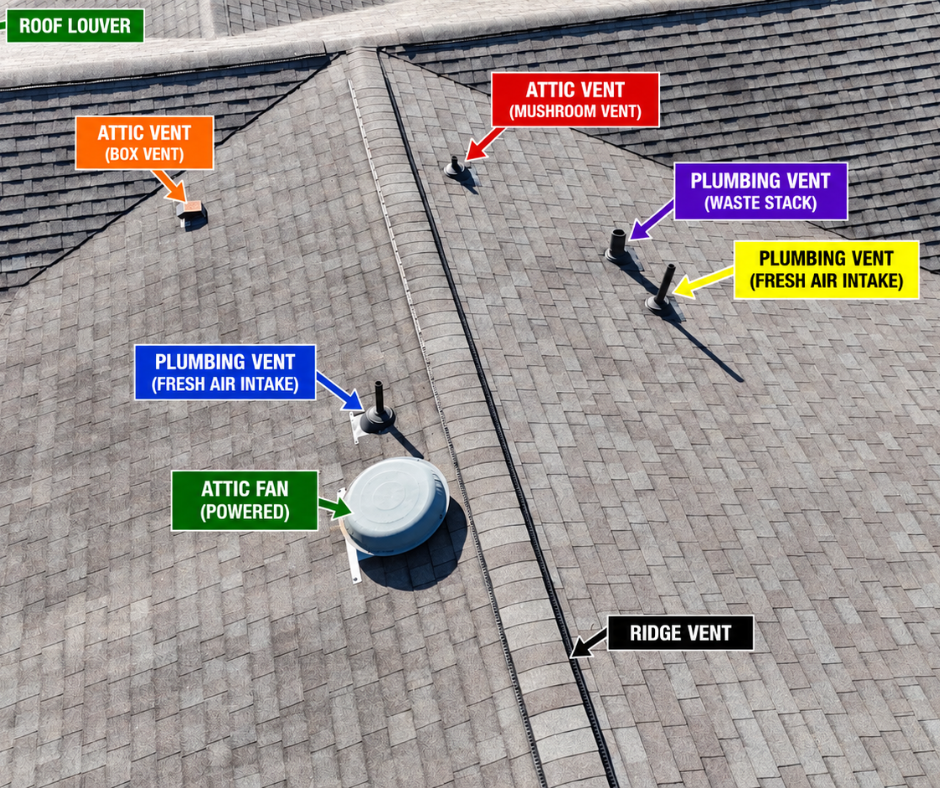
- Evaluating plumbing vent boots
- Checking exposed fasteners
- Identifying deteriorated sealants
- Observing drainage conditions
- Addressing minor roofing deficiencies
- Documenting changes in roof condition
The specific maintenance needs of a property depend on roof design, materials, age, surrounding trees, plus environmental exposure.
Not every roof requires the same services or maintenance frequency.
Why Small Roofing Problems Deserve Attention
Many expensive roofing problems begin with relatively minor deficiencis.
Consider a plumbing vent boot.
This component creates a weather-resistant seal where a plumbing vent passes through the roofing system.
Over time, exposure to sunlight plus temperature changes can cause certain rubber components to crack or deteriorate.
Initially, the opening may be small.
However, repeated rainfall can allow moisture to reach roof decking, insulation, framing, or interior finishes.
What began as a localized maintenance issue can eventually involve several building components.
The original defect may have been relatively straightforward to repair.
The additional expense develops when moisture intrusion continues unnoticed.
Preventative maintenance focuses on identifying these vulnerabilities before secondary damage occurs.
Roof Valleys: Small Areas With Important Responsibilities
Roof valleys are among the most important drainage features on many residential roofs.
They collect runoff from adjoining roof slopes, concentrating water into a defined drainage pathway.
Because valleys handle substantial water flow during heavy rainfall, obstructions can create problems.
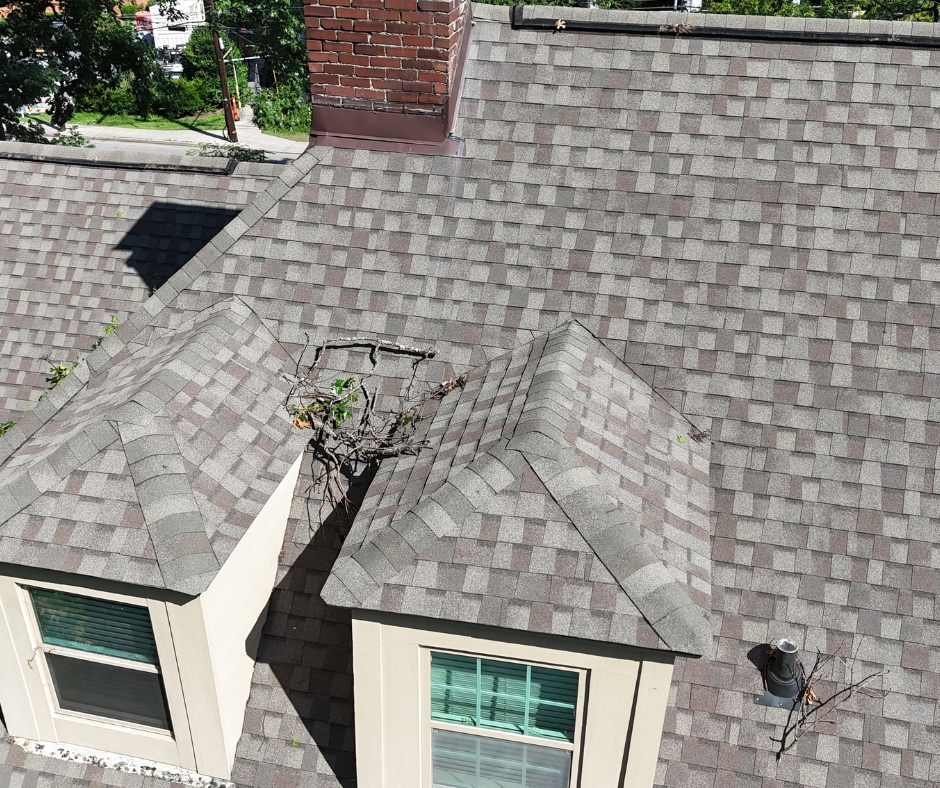
Leaves, pine needles, twigs, plus other organic material frequently accumulate in these areas.
When debris remains in place, it can retain moisture or interfere with normal drainage.
For homes surrounded by mature trees, routine valley cleaning may be particularly important.
Removing accumulated debris helps maintain intended water flow while allowing roofing materials to dry more effectively after rainfall.
Flashing: One of the Most Important Areas to Maintain
Roof flashing helps direct water away from vulnerable transitions.
These transitions occur where roofing materials meet chimneys, walls, skylights, valleys, plus other building components.
Properly installed flashing is designed to manage water movement without relying exclusively on exposed sealants.
However, flashing systems can develop deficiencies over time.
Common concerns include:
- Loose metal components
- Corrosion
- Displaced flashing
- Deteriorated sealants
- Exposed fasteners
- Improper previous repairs
A professional inspection can help identify these conditions.
Some flashing concerns may be addressed through relatively localized repairs.
Others require additional investigation to determine the appropriate corrective work.
Roof Penetrations Need Periodic Attention
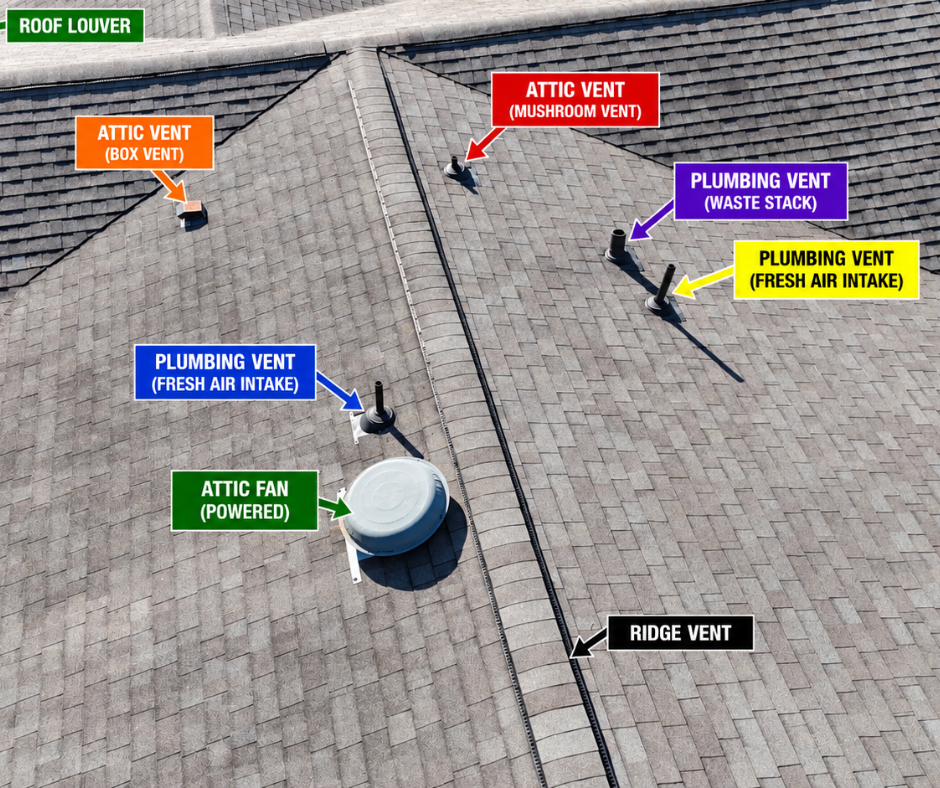
Residential roofs frequently contain openings for plumbing vents, exhaust systems, skylights, plus other building components.
Each opening requires appropriate weather protection.
Over time, some penetration components may deteriorate faster than the surrounding roofing materials.
For example, a rubber plumbing vent boot may develop cracks while nearby shingles remain in serviceable condition.
Likewise, exposed fasteners or improperly installed accessories may create localized vulnerabilities.
Periodic evaluation helps identify these conditions before they contribute to water intrusion.
Biological Growth Plus Roof Cleanliness
West Georgia’s warm, humid climate encourages algae, moss, lichen, plus other biological growth.
Black streaks on asphalt shingles are commonly associated with algae.
Although algae discoloration is often primarily cosmetic, moss can retain moisture against roofing materials.
Accumulated leaves or other organic debris may also interfere with drainage.
Appropriate roof cleaning can address certain conditions while helping maintain the roof’s appearance.
However, cleaning methods matter.
Aggressive pressure washing can damage asphalt shingles by dislodging protective granules or forcing water beneath roofing materials.
Professional cleaning should follow applicable roofing manufacturer guidance, using methods appropriate for the material plus its condition.
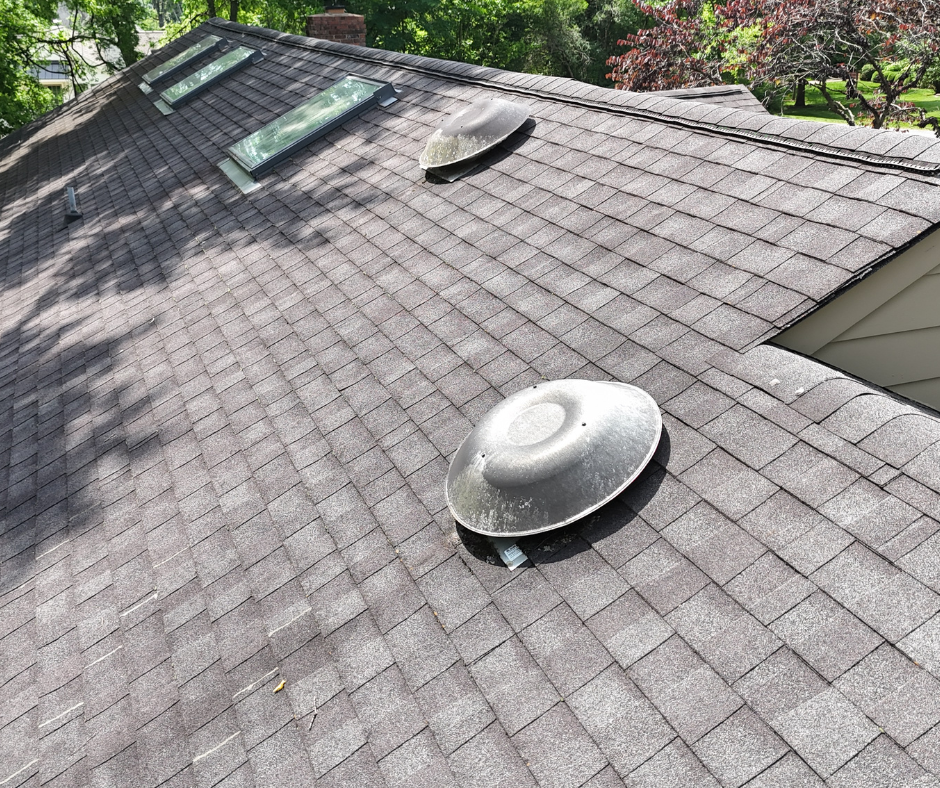
Attic Ventilation Is Part of Roof Maintenance
Roof maintenance isn’t limited to exterior surfaces.
Attic ventilation can influence temperature, moisture conditions, plus overall roofing system performance.
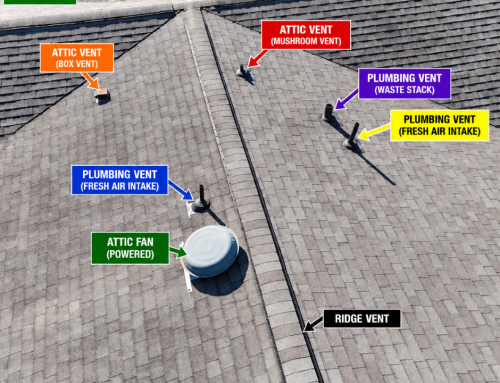
Many residential attic ventilation systems rely on lower intake openings plus upper exhaust vents.
When these pathways become blocked or improperly configured, airflow may be restricted.
Potential concerns include:
- Blocked soffit vents
- Damaged ridge vents
- Improperly terminated exhaust ducts
- Moisture staining
- Persistent condensation
- Inadequate ventilation openings
However, excessive attic heat alone doesn’t necessarily establish a ventilation problem.
A proper evaluation considers ventilation, insulation, air sealing, plus moisture sources before recommending changes.
Why Fall Is an Important Maintenance Season
September marks the transition from Georgia’s hottest summer months toward cooler fall weather.
It’s a useful time to evaluate roofing conditions before seasonal leaf accumulation plus winter rainfall.
Summer thunderstorms may have deposited debris in valleys or gutters.
Extended heat exposure may have contributed to deterioration of vulnerable accessories.
Trees surrounding the property may soon begin shedding additional leaves.
A fall maintenance visit can help identify these concerns while weather conditions remain favorable for routine exterior work.
For many properties, spring plus fall are practical times to review roofing maintenance needs.
How Often Should a Roof Receive Maintenance?
There isn’t one maintenance schedule appropriate for every home.
A property surrounded by mature trees may require gutter cleaning several times per year.
A relatively open property with limited debris accumulation may require less frequent service.
Roof age, material type, design complexity, plus previous maintenance history also influence the appropriate schedule.
An annual professional inspection provides a reasonable starting point for many homeowners.
Additional maintenance may be appropriate after significant storms or when visible concerns develop.
The objective is to establish a schedule based on the property’s actual needs.
The Financial Value of Preventative Maintenance
Preventative maintenance involves an expense, but it can help homeowners avoid larger costs associated with neglected deficiencies.
Consider several examples.
A deteriorated pipe boot may be addressed before water damages interior materials.
A blocked valley may be cleaned before persistent moisture contributes to deterioration.
Loose flashing may be repaired before repeated rainfall allows water intrusion.
These examples don’t guarantee that maintenance will eliminate future repair expenses.
However, they demonstrate how identifying problems early can limit the consequences of continued deterioration.
Preventative maintenance also helps homeowners anticipate expenses rather than responding exclusively to emergencies.
Documentation Helps Track Roof Conditions Over Time
One of the benefits of recurring roof evaluations is the ability to compare conditions from one visit to another.
Photographic documentation can establish a record of:
- Roofing material condition
- Flashing details
- Roof penetrations
- Biological growth
- Drainage concerns
- Previous repairs
- Areas requiring monitoring
Over time, these records can help identify developing changes.
For homeowners managing multiple properties, documentation can also support maintenance planning plus budgeting.
A roof maintenance history becomes a useful reference when questions arise about the property’s condition.
What Should a Professional Roof Maintenance Visit Include?
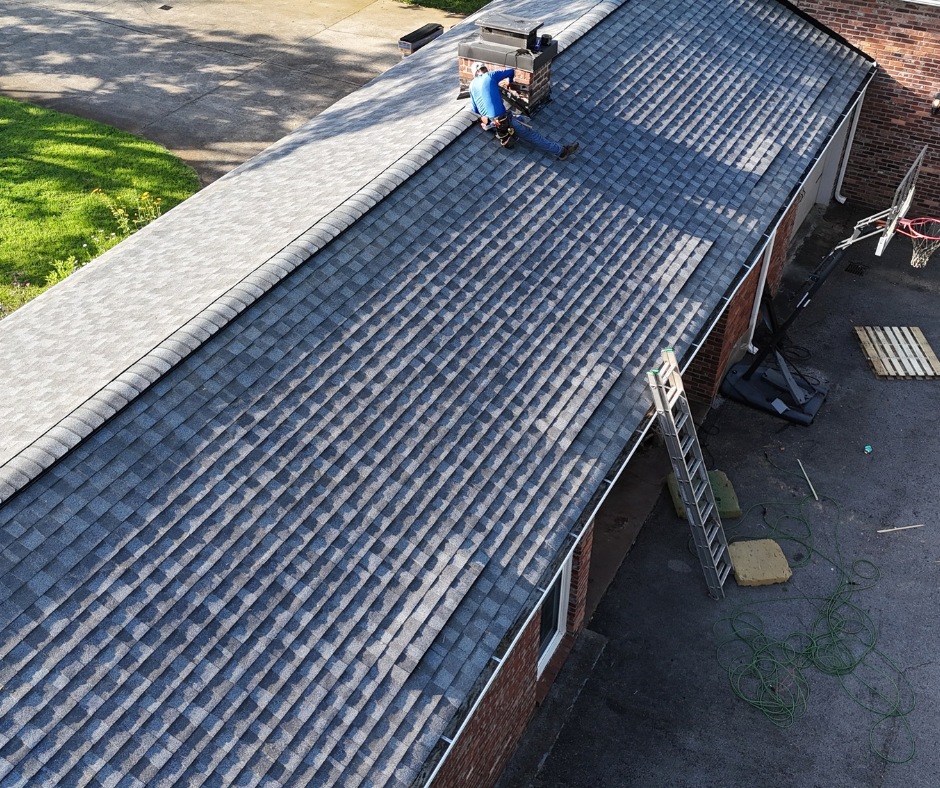
A professional maintenance visit should begin with an understanding of the roofing system plus any concerns reported by the homeowner.
Depending on the property’s needs, services may include inspection, debris removal, gutter cleaning, minor corrective work, plus photographic documentation.
The homeowner should understand what work was performed, what conditions were observed, plus whether additional attention is appropriate.
Not every inspection should produce a repair recommendation.
Sometimes the most useful finding is that the roof appears to be functioning properly, with no immediate corrective work identified.
The Roof Guy Approach to Preventative Maintenance
A professional maintenance visit should begin with an understanding of the roofing system plus any concerns reported by the homeowner.
At The Roof Guy of Georgia, our services are organized around four principles.
Inspect: Evaluate accessible roofing components, identify visible concerns, plus document existing conditions.
Repair: Address localized deficiencies involving flashing, roof penetrations, leaks, plus other repairable components.
Maintain: Provide roof cleaning, debris removal, gutter services, plus preventative maintenance.
Improve: Evaluate opportunities to enhance ventilation, drainage, plus overall roofing performance.
Our goal is to help homeowners preserve their existing roofing systems through practical, informed decisions.
We believe maintenance should be based on actual conditions rather than unnecessary services.
Take Care of the Roof You Already Have
Your roof doesn’t need to develop a leak before it deserves attention.
Routine inspections, appropriate cleaning, plus timely repairs can help preserve roofing materials while reducing avoidable deterioration.
For homeowners throughout Carrollton, Villa Rica, Bowdon, plus surrounding West Georgia communities, The Roof Guy of Georgia provides professional roof inspections, maintenance, leak diagnosis, targeted repairs, plus roofing improvements.

Leave A Comment