
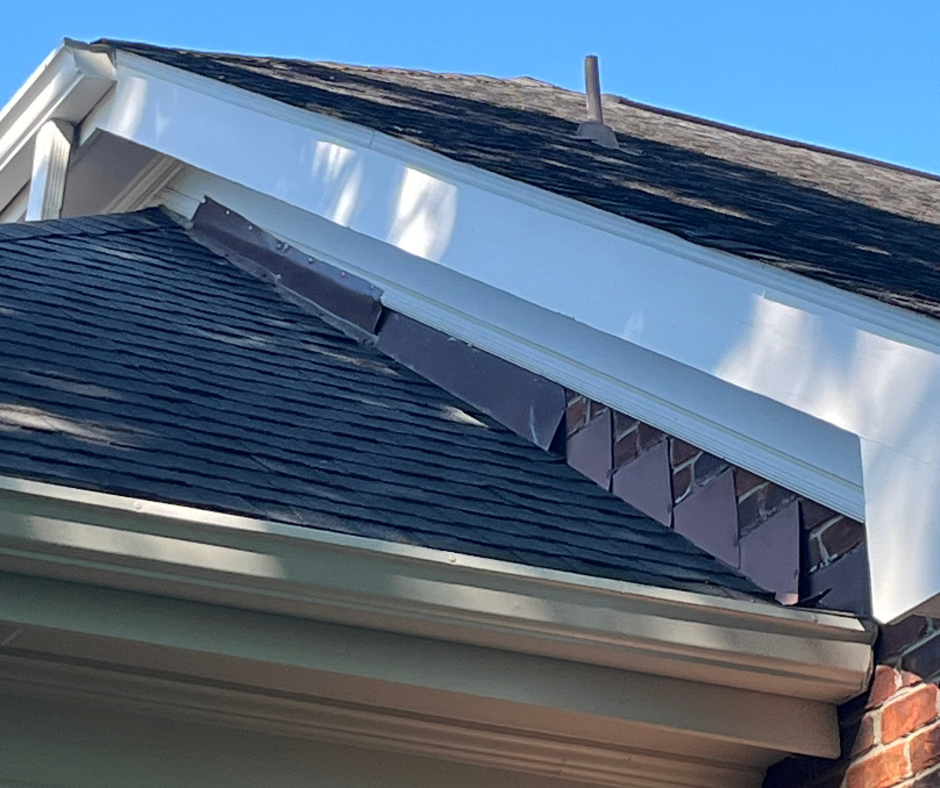
Most roofing problems don’t happen overnight. Many develop gradually, beginning with small changes that are easy to overlook.
A minor leak, deteriorating flashing, or drainage is
sue can go unnoticed for months before causing visible damage inside your home.
For homeowners throughout Carrollton, Villa Rica, Bowdon, plus surrounding West Georgia communities, recognizing early warning signs can help prevent minor roofing concerns from becoming expensive problems.
At The Roof Guy of Georgia, we believe the first step toward solving a roofing problem is understanding what’s actually happening.
1. Water Stains on Ceilings or Walls
A brown or yellowish stain on your ceiling is one of the most recognizable signs of possible water intrusion.
However, the location of the stain doesn’t necessarily indicate where the water entered.
Water can travel along roof decking, rafters, insulation, or other building materials before becoming visible inside your home.
Possible causes include:
- Deteriorated pipe boots
- Damaged or improperly installed flashing
- Loose roofing materials
- Problems around chimneys or skylights
- Condensation from ventilation or HVAC issues
What to do: Document the stain, note whether it changes during rainfall, plus arrange an inspection to identify the moisture source.
A proper diagnosis helps prevent unnecessary repairs to areas that aren’t responsible for the problem.
2. Missing, Lifted, or Damaged Shingles
Georgia thunderstorms can produce strong winds capable of loosening or displacing roofing materials.
From the ground, you might notice shingles that appear crooked, lifted, missing, or visibly different from surrounding areas.
These conditions can expose vulnerable roofing components to additional weather.
However, not every irregular-looking shingle indicates active damage. Installation characteristics, normal aging, or previous repairs can create visible differences.
What to do: Avoid climbing onto the roof. Take photographs from a safe location, then have the affected area evaluated.
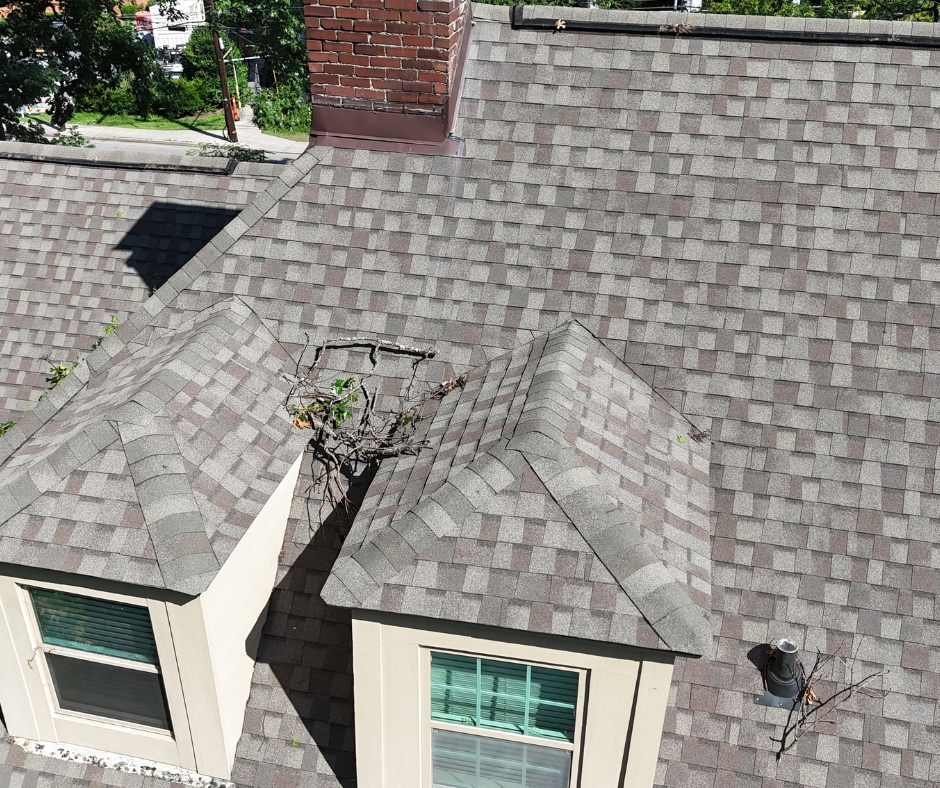
3. Deteriorated Flashing Around Roof Penetrations
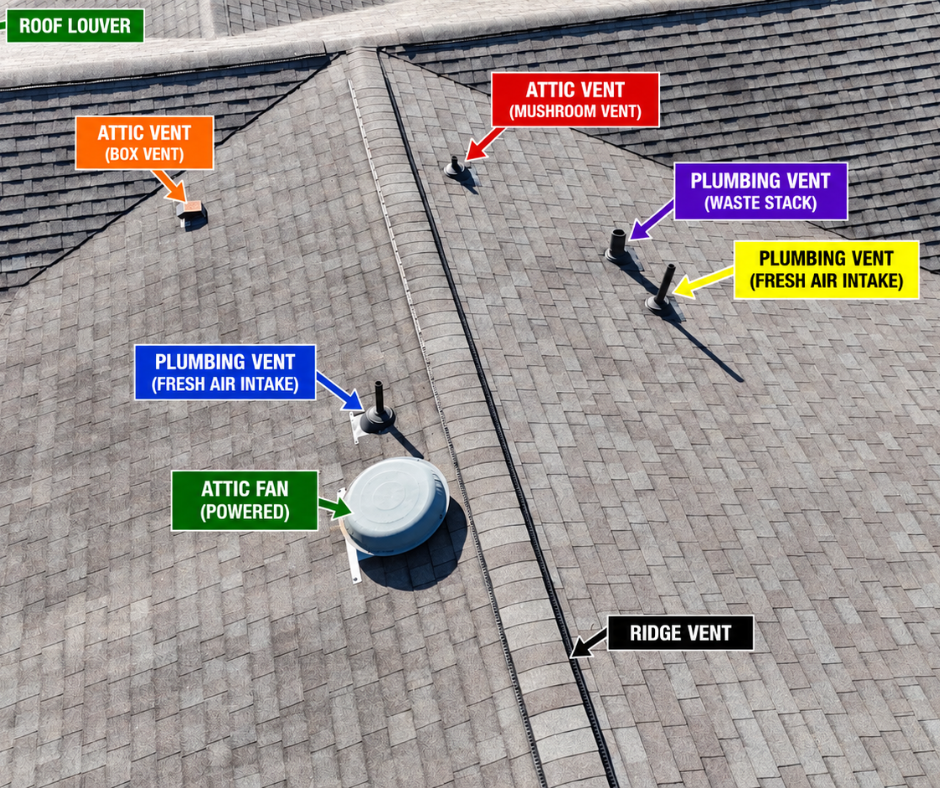
Some of the most vulnerable areas of a roofing system are the places where the roof meets another component.
These include chimneys, plumbing vents, skylights, walls, plus exhaust penetrations.
Flashing helps direct water away from these transitions.
Over time, sealants can deteriorate, rubber boots can crack, or metal flashing can become displaced.
Warning signs may include:
- Cracked rubber around plumbing vents
- Loose metal flashing
- Rust or corrosion
- Gaps around roof penetrations
- Water stains near chimneys or skylights
What to do: Have questionable flashing details inspected before water intrusion develops.
Many flashing concerns can be addressed through targeted repairs when identified early.
4. Granules Accumulating in Gutters
Asphalt shingles have a protective surface layer consisting of mineral granules.
These granules help protect the underlying asphalt from ultraviolet exposure, plus contribute to the shingle’s appearance.
Some granule loss is normal, particularly with newly installed shingles or as roofing materials age.
However, excessive granule accumulation may indicate accelerated wear.
Other possible warning signs include exposed asphalt, visibly bare patches, or uneven surface deterioration.
What to do: Have the condition evaluated in context. Granules in gutters alone don’t establish that a roof has a serious problem.
5. Dark Streaks, Algae, or Moss Growth
Have you noticed black streaks running down your roof?
In Georgia’s humid climate, these discolorations are common.
Black streaks on asphalt shingles are frequently associated with a type of algae called Gloeocapsa magma.
While algae primarily affects appearance, heavy moss growth can retain moisture around roofing materials.
Not every discoloration indicates structural damage or a leak.
What to do: Have the growth identified before choosing a cleaning method.
Appropriate low-pressure roof cleaning techniques can address certain biological growth without the risks associated with aggressive pressure washing.
6. Gutters Overflowing or Water Collecting Near the Roofline
Your roofing system doesn’t stop at the edge of the shingles.
Gutters, downspouts, plus drainage pathways play an important role in managing rainwater.
When gutters become clogged with leaves, pine needles, or other debris, water may overflow or collect in unintended areas.
Possible warning signs include:
- Water spilling over gutter edges
- Plants growing inside gutters
- Sagging gutter sections
- Staining on fascia boards
- Water collecting near the foundation
What to do: Clear drainage obstructions, inspect gutter attachment points, plus verify that water is being directed away from the home.
Routine gutter maintenance is particularly important for homes surrounded by mature trees.
7. Unusual Attic Moisture or Excessive Heat
Not every roofing concern begins on the exterior.
Your attic can provide valuable clues about the performance of your roofing system.
Warning signs may include:
- Damp insulation
- Condensation on roof decking
- Musty odors
- Visible fungal growth
- Unusually high attic temperatures
- Rust on exposed metal components
These conditions may involve ventilation deficiencies, air leakage from living spaces, moisture intrusion, or a combination of factors.
What to do: Arrange an evaluation to determine the moisture source or ventilation concern before making changes.
Adding ventilation without understanding the existing system can sometimes create additional problems.
Why Early Detection Matters
Small roofing deficiencies don’t always require complicated solutions.
A deteriorated pipe boot, loose flashing detail, or clogged drainage pathway may be relatively straightforward to address.
However, when water intrusion continues unnoticed, moisture can affect insulation, roof decking, framing, drywall, plus interior finishes.
The expense often comes from the secondary damage rather than the original roofing defect.
Early identification gives homeowners more opportunities to address problems before additional damage develops.
What Should a Professional Roof Inspection Include?
A useful roof inspection should focus on identifying actual conditions rather than assuming every visible irregularity requires corrective work.
Depending on accessibility, an evaluation may include:
- Roofing material condition
- Flashing details
- Plumbing vents or other penetrations
- Valleys or drainage pathways
- Gutters or roof edges
- Visible storm-related damage
- Attic observations when appropriate
- Photographic documentation
The resulting information should help homeowners understand what requires attention, what can be monitored, plus what appears to be functioning properly.
The Roof Guy Approach: Inspect. Repair. Maintain. Improve.
At The Roof Guy of Georgia, we approach roofing concerns through four core services.
Inspect: Identify visible deficiencies through professional evaluation plus photographic documentation.
Repair: Address localized roofing problems when practical.
Maintain: Help prevent avoidable deterioration through routine roof care.
Improve: Evaluate opportunities to enhance ventilation, drainage, plus roofing performance.
Our objective is to provide homeowners with reliable information so they can make educated decisions about their property.
Don’t Wait for a Small Problem to Become a Big Expense
Your roof doesn’t have to be leaking to benefit from professional attention.
Recognizing changes early, documenting concerns, plus addressing legitimate maintenance needs can help protect your home over time.
If you’ve noticed any of these seven warning signs, The Roof Guy of Georgia can help you understand what’s happening before you commit to unnecessary work.
The Roof Guy of Georgia
Roofing Without the Pressure.

Leave A Comment