When a strong thunderstorm moves through West Georgia, homeowners naturally become concerned about their roofs.
Heavy rainfall, strong winds, falling branches, plus hail can affect roofing materials in different ways. Sometimes the damage is obvious. Other times, a roof may appear perfectly normal from the ground.
For homeowners in Carrollton, Villa Rica, Bowdon, plus surrounding communities, a professional roof inspection can provide valuable information about the physical condition of their roofing system.
At The Roof Guy of Georgia, our focus is straightforward: Identify roofing concerns, document observable conditions, plus help homeowners understand what their roof needs.
Not Every Storm Damages Every Roof
Georgia thunderstorms can produce intense weather, but that doesn’t mean every roof experiences damage.
Roof performance depends on several factors, including:
- Roofing material type
- Installation quality
- Roof age
- Roof design
- Maintenance history
- Exposure to wind or falling debris
- Existing roofing conditions
Two homes on the same street may experience very different results following a storm.
One may have displaced shingles or damaged flashing, while another may show no visible problems.
The only reliable way to understand a specific roof’s observable condition is through an appropriate inspection.
What Does a Post-Storm Roof Inspection Include?
A professional roof inspection evaluates accessible roofing components for visible changes, damage, deterioration, plus maintenance concerns.
Depending on accessibility, roof design, plus reported problems, an inspection may include:
Roof Covering: Checking shingles or other roofing materials for displacement, tears, punctures, or visible surface damage.
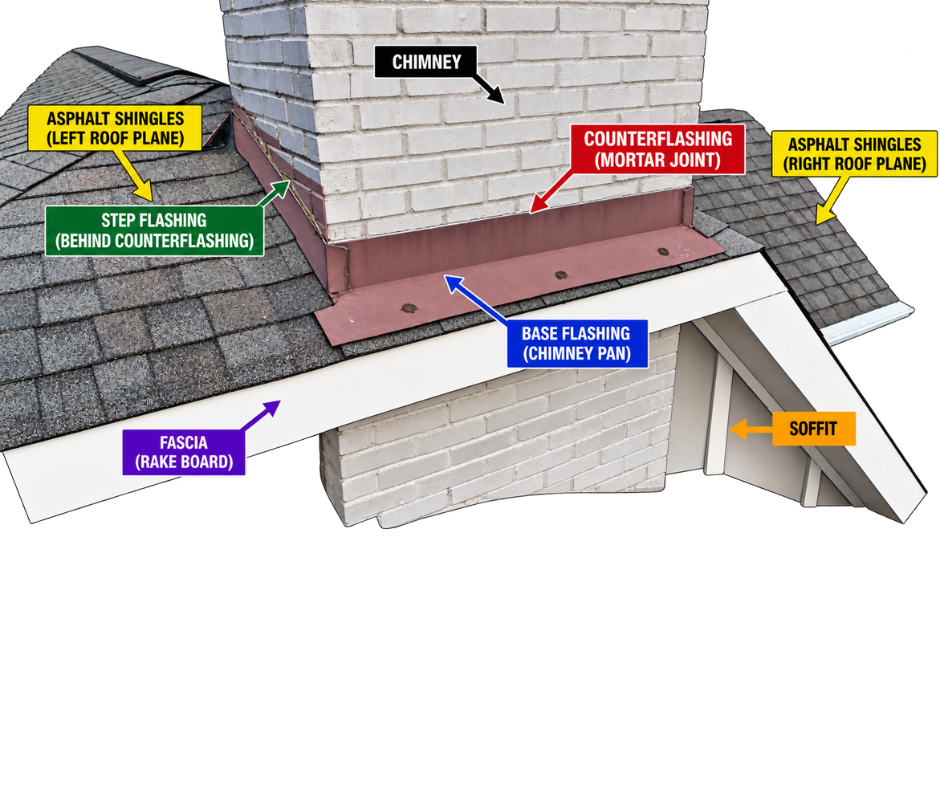
Flashing: Evaluating metal components around chimneys, walls, valleys, plus roof transitions.
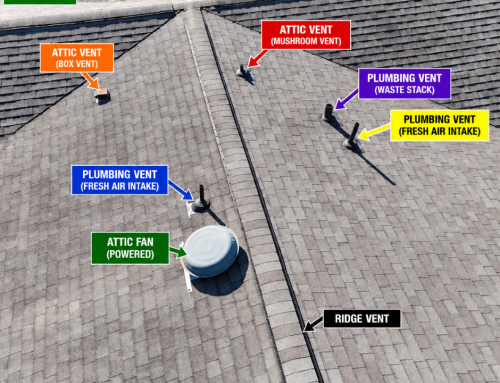
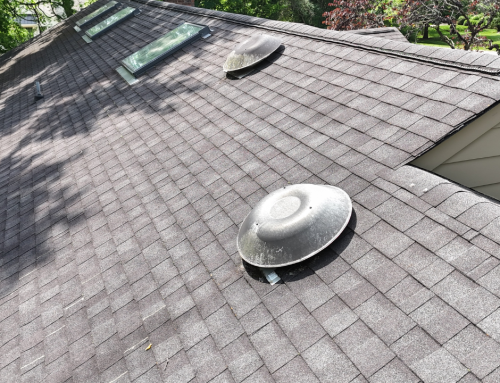
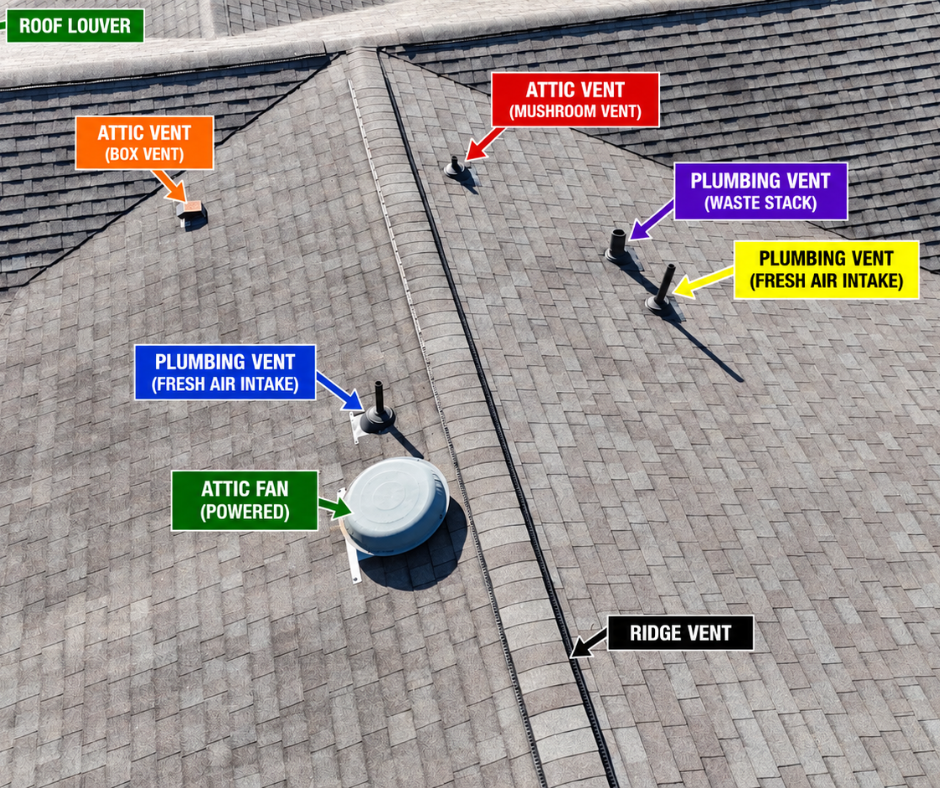
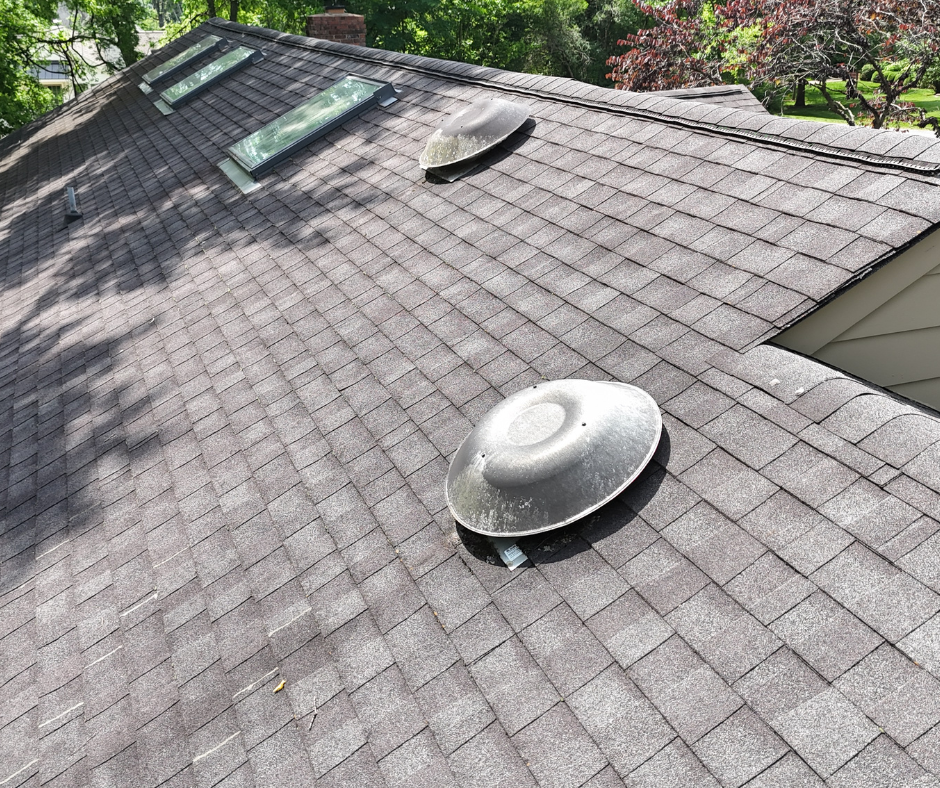
Roof Penetrations: Observing plumbing vent boots, exhaust vents, skylights, plus other openings.
Roof Edges: Checking fascia, drip edges, ridge caps, plus other exposed components.
Drainage: Looking for debris accumulation, gutter problems, or restricted water flow.
Interior Observations: When appropriate, examining accessible attic areas for visible moisture concerns.
Photographic documentation helps homeowners see the conditions identified during the evaluation.
Common Roofing Problems Following Strong Winds
Strong winds can affect roofing materials in several ways.
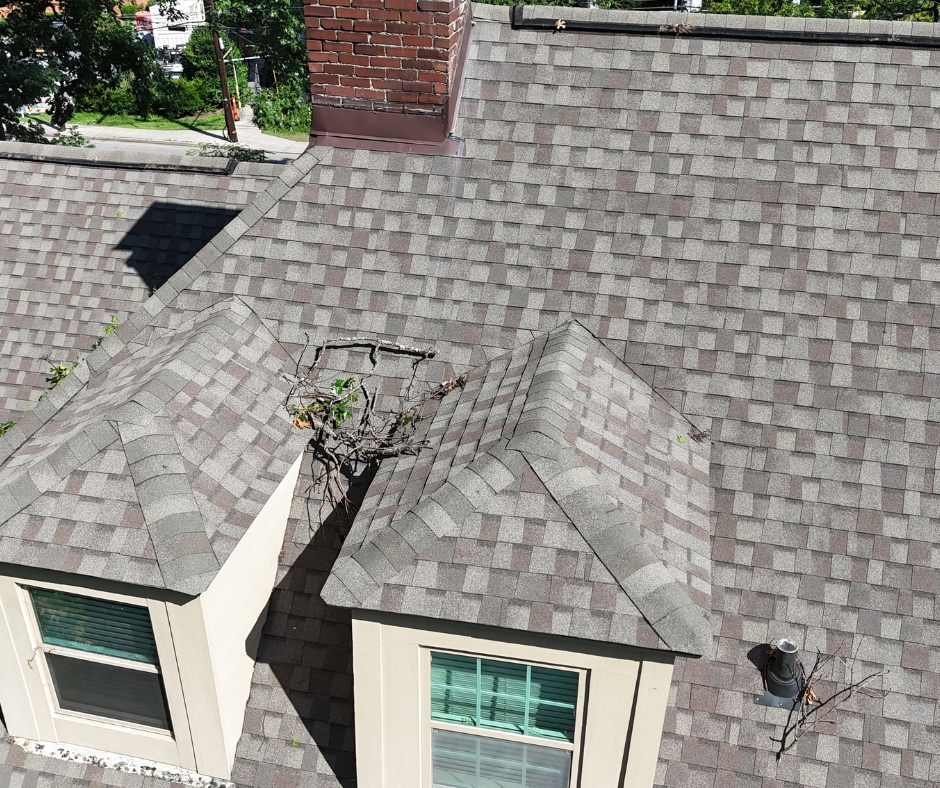
Shingles may become displaced, torn, or lifted. Ridge caps may loosen. Flashing components can shift, while falling limbs may puncture roofing materials.
Some damage is immediately visible.
Other concerns require closer evaluation.
For example, a shingle may remain in place despite having experienced mechanical stress. Conversely, a raised shingle may reflect an installation condition rather than recent wind exposure.
A professional inspection evaluates the observable condition of the material without assuming every irregularity represents damage.
Understanding Hail Impacts
Hail affects roofing materials differently depending on the size, hardness, plus velocity of the hailstones.
Asphalt shingles may exhibit localized surface marks, granule displacement, bruising, or fractures.
Metal roofing components may show dents or other visible deformation.
However, not every surface mark indicates damage that affects roofing performance.
Normal weathering, foot traffic, installation conditions, plus other mechanical contact can produce similar appearances.
An inspection helps document visible conditions while identifying areas that may require further evaluation.
Heavy Rain Can Reveal Existing Problems
Sometimes a homeowner discovers a leak during a thunderstorm even though the roof has experienced no newly visible exterior damage.
Heavy rainfall can expose vulnerabilities that developed gradually.
Common examples include:
- Deteriorated plumbing vent boots
- Loose flashing
- Aging sealants
- Clogged roof valleys
- Improper drainage
- Previous repair deficiencies
- Openings around roof penetrations
Wind-driven rain may also reach vulnerable areas that remain dry during ordinary rainfall.
The important task is identifying where water is entering the roofing system.
A ceiling stain doesn’t necessarily reveal the actual source of the leak.
Water can travel along framing, roof decking, or other building components before becoming visible inside the home.
Accurate leak diagnosis helps direct repairs toward the actual problem.
Why Photographic Documentation Matters
Most homeowners rarely see their roofs from above.
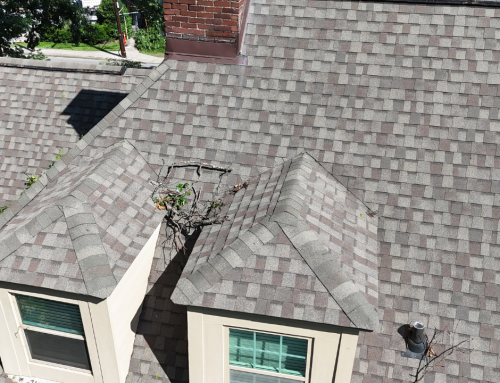
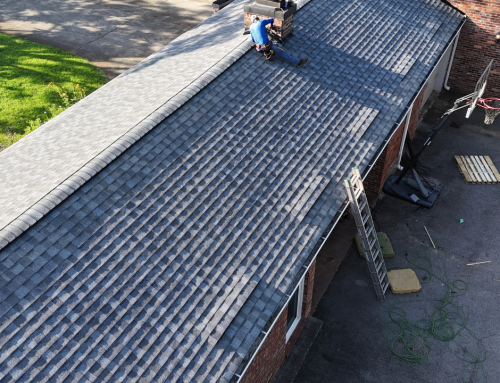
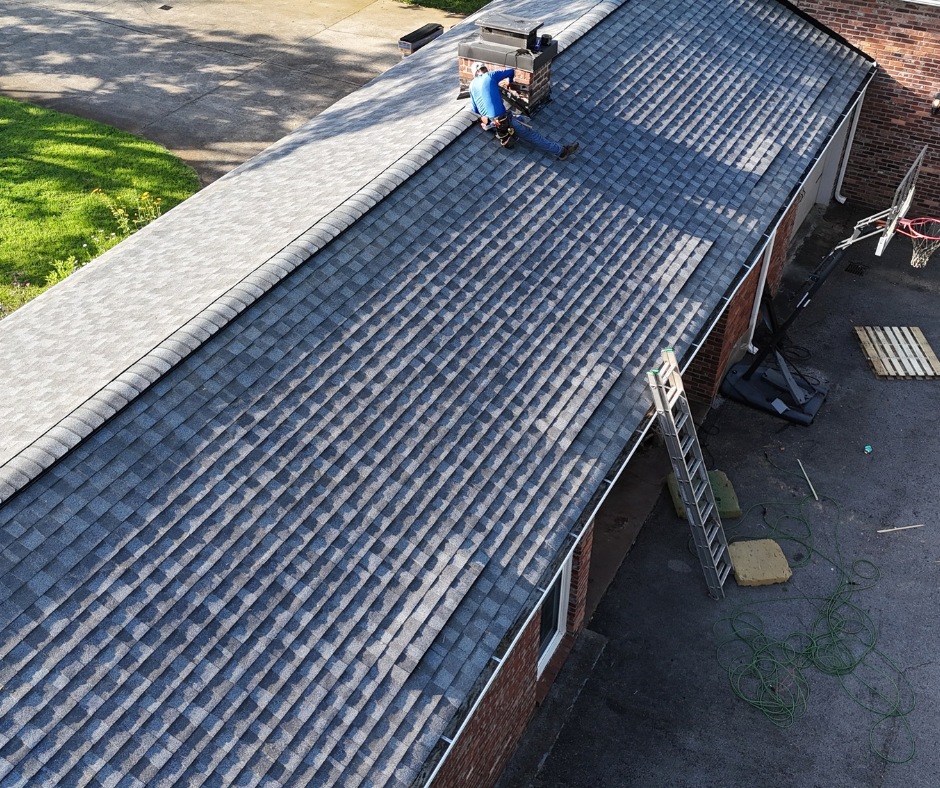
Professional photography provides a useful perspective on roofing conditions that may be difficult to observe from the ground.
Drone photography can help document:
- Overall roof condition
- Individual roof slopes
- Valleys
- Flashing locations
- Roof penetrations
- Visible damage
- Debris accumulation
- Areas requiring closer attention
Photographs also provide a reference for future inspections.
Comparing images taken at different times may help identify changes in roofing materials or maintenance conditions.
Documentation gives homeowners a clearer picture of their property without requiring them to climb onto the roof.
The Importance of Distinguishing Damage From Maintenance
A professional roof inspection may identify several types of roofing concerns.
Some may involve physical damage.
Others may reflect ordinary aging, deferred maintenance, or installation deficiencies.
For example, a cracked plumbing vent boot may simply require a localized repair.
A clogged valley may need debris removal.
Loose flashing may require securing or corrective work.
An inspection should explain these conditions clearly so the homeowner understands what was observed.
Not every concern requires immediate action. Some conditions can be addressed through scheduled maintenance, while others may need prompt attention to prevent additional deterioration.
When Should You Schedule a Post-Storm Inspection?
A professional inspection may be appropriate when:
- Strong winds have passed through your property
- Hail has been reported in your immediate area
- Roofing materials are visible on the ground
- A tree limb has contacted the roof
- Gutters or flashing appear damaged
- Interior water stains develop
- An existing leak becomes worse
- You notice changes in the roof’s appearance
An inspection can also provide reassurance when no significant deficiencies are observed.
Knowing that accessible roofing components appear to be functioning properly is useful information.
Why Routine Roof Maintenance Still Matters
Storms are only one factor affecting roofing systems.
Throughout the year, Georgia roofs experience sunlight, temperature changes, humidity, rainfall, plus biological growth.
Routine maintenance helps address conditions that can gradually affect roof performance.
Common maintenance services include:
- Roof debris removal
- Gutter cleaning
- Valley cleaning
- Minor flashing repairs
- Plumbing vent boot repairs
- Roof cleaning
- Drainage improvements
- Ventilation evaluations
Maintaining these components can help reduce avoidable deterioration while supporting the roof’s continued performance.
The Roof Guy Approach to Post-Storm Inspections
At The Roof Guy of Georgia, our services are built around four principles.
Inspect: Evaluate accessible roofing components through professional observations, drone photography, plus photographic documentation.
Repair: Diagnose leaks while addressing localized roofing problems when practical.
Maintain: Help preserve roofing systems through cleaning, debris removal, plus preventative maintenance.
Improve: Identify opportunities to enhance ventilation, drainage, plus overall roof performance.
Our goal is to provide homeowners with useful information about their roofing systems without unnecessary sales pressure.
Know the Condition of Your Roof
After severe weather, uncertainty about your roof can be frustrating.
A professional inspection provides an opportunity to identify visible damage, understand maintenance concerns, plus document the roofing system’s condition.
Whether the inspection reveals a minor repair need, routine maintenance, or no immediate concerns, homeowners benefit from knowing what was actually observed.
The Roof Guy of Georgia serves homeowners throughout Carrollton, Villa Rica, Bowdon, plus surrounding West Georgia communities with professional roof inspections, leak diagnosis, targeted repairs, maintenance, plus roof improvements.

Leave A Comment