Your roof is one of the most important components of your home, yet it’s often one of the least understood. Most homeowners rarely think about their roof until a leak appears, a storm passes through, or something catches their attention.
The good news? Understanding a few basics about your roof can help you identify potential problems early, avoid unnecessary expenses, plus make informed decisions about protecting your home.
At The Roof Guy, we believe homeowners deserve straightforward information about their roof without pressure to purchase services they may not need.
Your Roof Is More Than Just Shingles
While shingles are the most visible part of most residential roofs, they’re only one component of a larger system designed to protect your home.
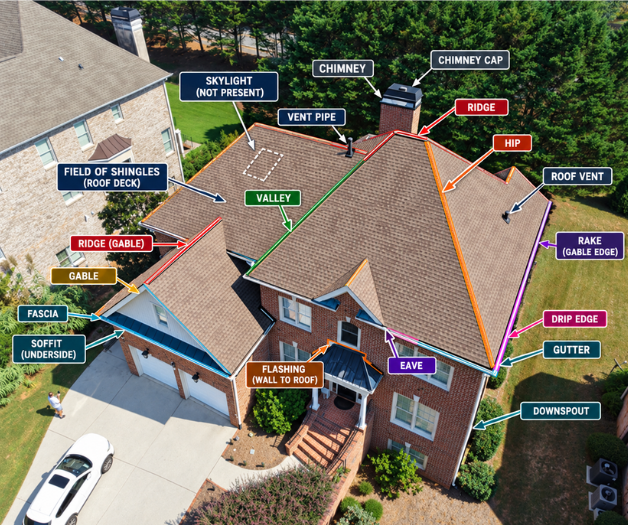
Several important components work together to manage water, moisture, heat, plus airflow.
Roof Covering: Asphalt shingles, metal panels, or other materials provide the primary exterior protection against weather.
Flashing: Metal components installed around chimneys, walls, valleys, skylights, plus other transitions help direct water away from vulnerable areas.
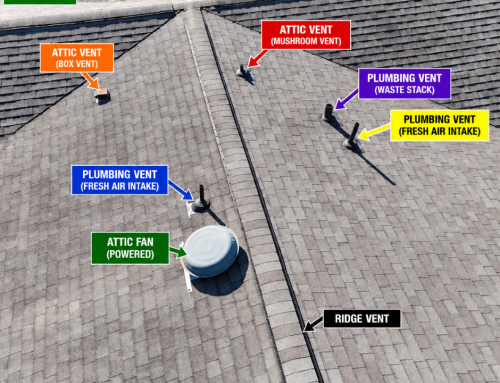
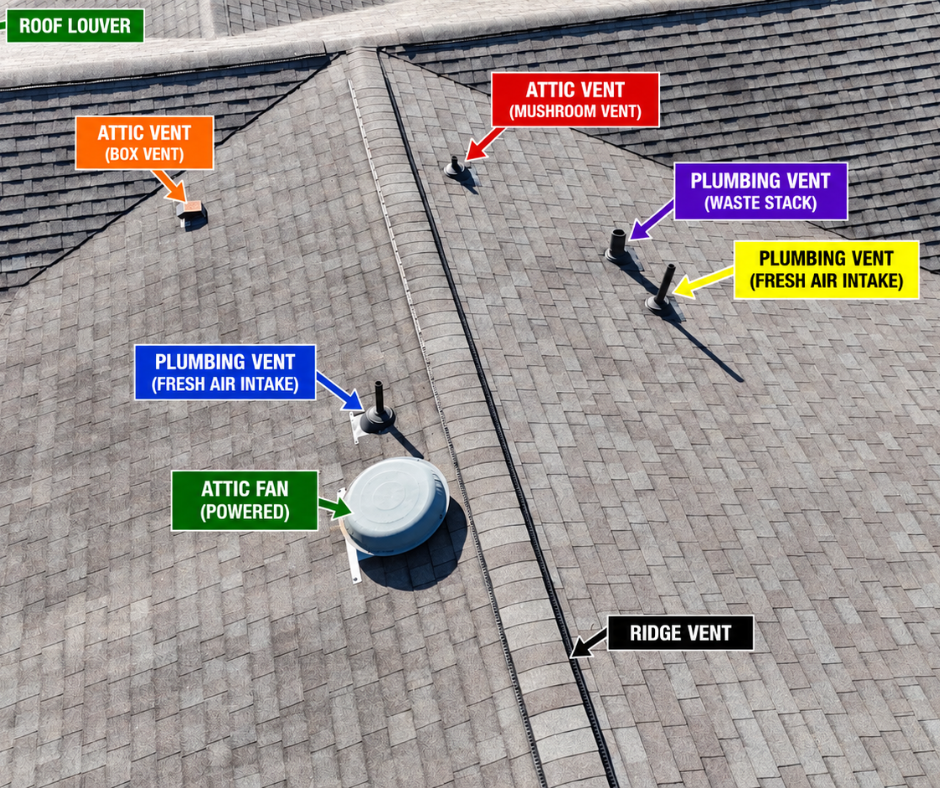
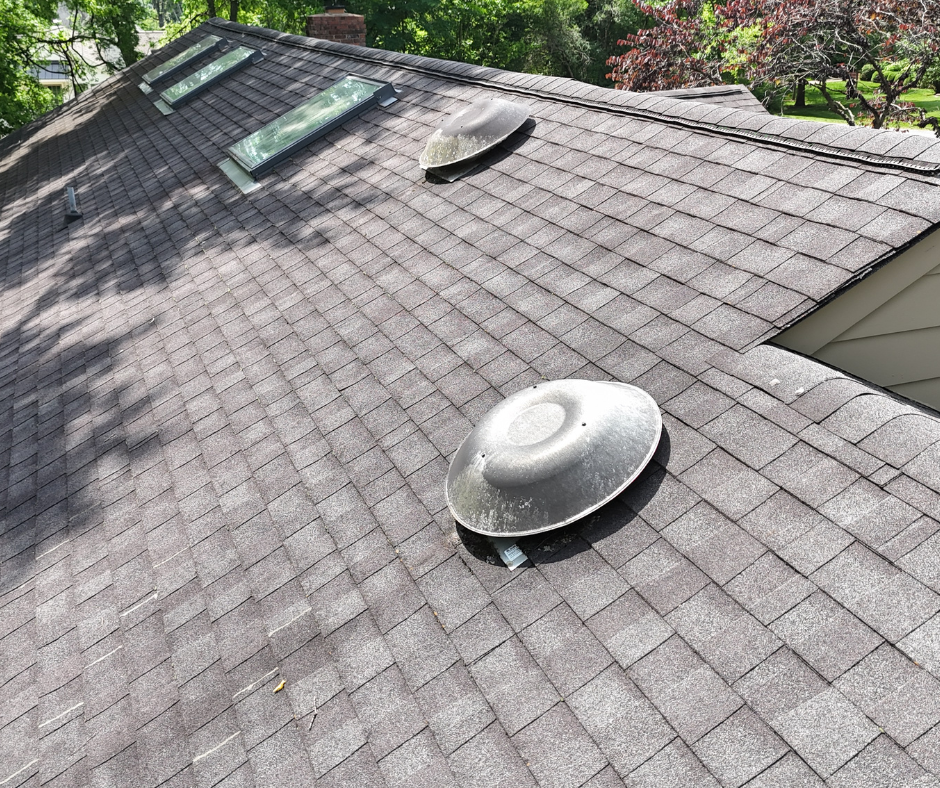
Roof Penetrations: Plumbing vents, exhaust vents, skylights, plus other openings require properly installed seals to prevent water intrusion.
Ventilation: Proper attic airflow helps regulate temperature, control moisture accumulation, plus support the performance of roofing materials.
Gutters & Drainage: Gutters, downspouts, plus properly designed drainage paths move rainwater away from vulnerable areas of your home.
A problem with any one of these components can affect the performance of the entire roofing system.
Georgia’s Climate Creates Unique Roofing Challenges
Homes throughout Carrollton, Villa Rica, Bowdon, plus surrounding West Georgia communities experience weather conditions that can gradually affect roof performance.
Summer Heat
Georgia’s long, hot summers expose roofing materials to prolonged periods of elevated temperatures.
Over time, thermal expansion, contraction, plus ultraviolet exposure can contribute to material deterioration.
Heavy Rainfall
Georgia frequently experiences intense rainstorms.
Even relatively minor flashing defects, deteriorated pipe boots, or drainage restrictions can allow water to enter areas where it doesn’t belong.
Humidity & Moisture
Georgia’s humidity can contribute to attic moisture problems, biological growth, plus deterioration of certain building materials.
Proper ventilation, moisture management, plus routine inspections help identify these concerns before they become more serious.
Severe Weather
Strong thunderstorms, high winds, falling limbs, plus occasional hail can damage roofing components.
Not every storm creates roof damage, however. A professional assessment can help distinguish actual damage from normal aging or cosmetic conditions.
A Roof Leak Doesn’t Always Mean a Major Roofing Problem
One of the most common misconceptions homeowners have is that a roof leak automatically indicates a widespread roofing failure.
In reality, many leaks originate from relatively small, localized problems.
Common examples include:
- Deteriorated plumbing vent boots
- Loose or damaged flashing
- Exposed or improperly sealed fasteners
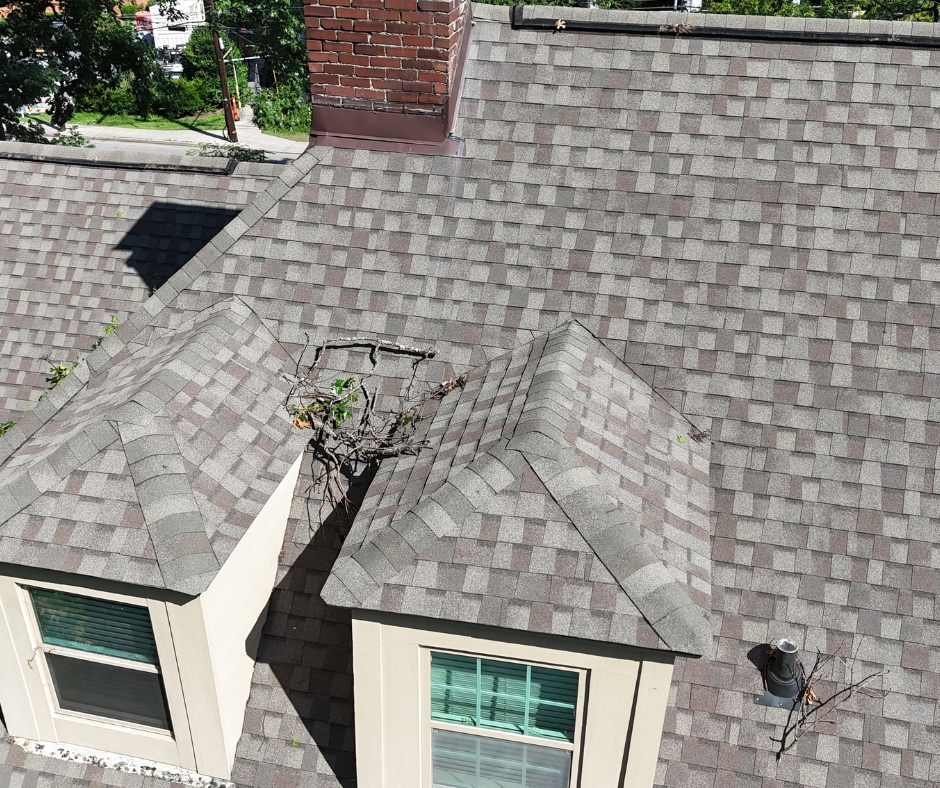
- Debris accumulation in roof valleys
- Clogged gutters or drainage pathways
- Failed sealants around roof penetrations
Identifying the actual source of water intrusion is essential.
Water can travel along framing, decking, or other building components before becoming visible inside your home. That means the location of a ceiling stain doesn’t necessarily identify where water entered the roofing system.
Accurate diagnosis should come before deciding what work is necessary.
Preventative Maintenance Can Extend Roof Service Life
Just like your vehicle’s mechanical systems, your roof benefits from periodic attention.
Routine maintenance helps identify minor deficiencies before they contribute to more expensive damage.
Examples include clearing accumulated debris, inspecting flashing, checking roof penetrations, evaluating drainage, plus addressing small defects.
Maintenance cannot prevent every problem or reverse normal material aging. However, it can help preserve the roof’s condition while reducing avoidable deterioration.
For Georgia homeowners, seasonal inspections are particularly useful following severe weather or periods of heavy leaf accumulation.
Why Professional Roof Inspections Matter
A professional roof inspection should provide more than a quick glance at the shingles.
A thorough evaluation considers the condition of accessible roofing components, visible signs of deterioration, drainage performance, penetrations, flashing details, plus other areas where problems commonly develop.
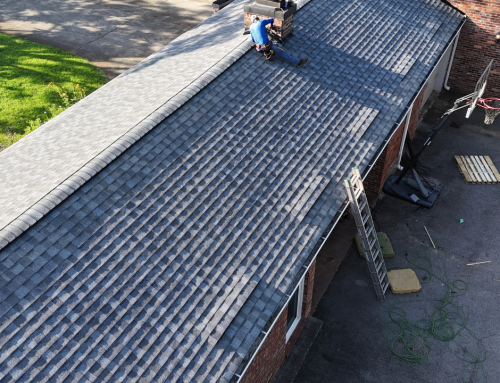
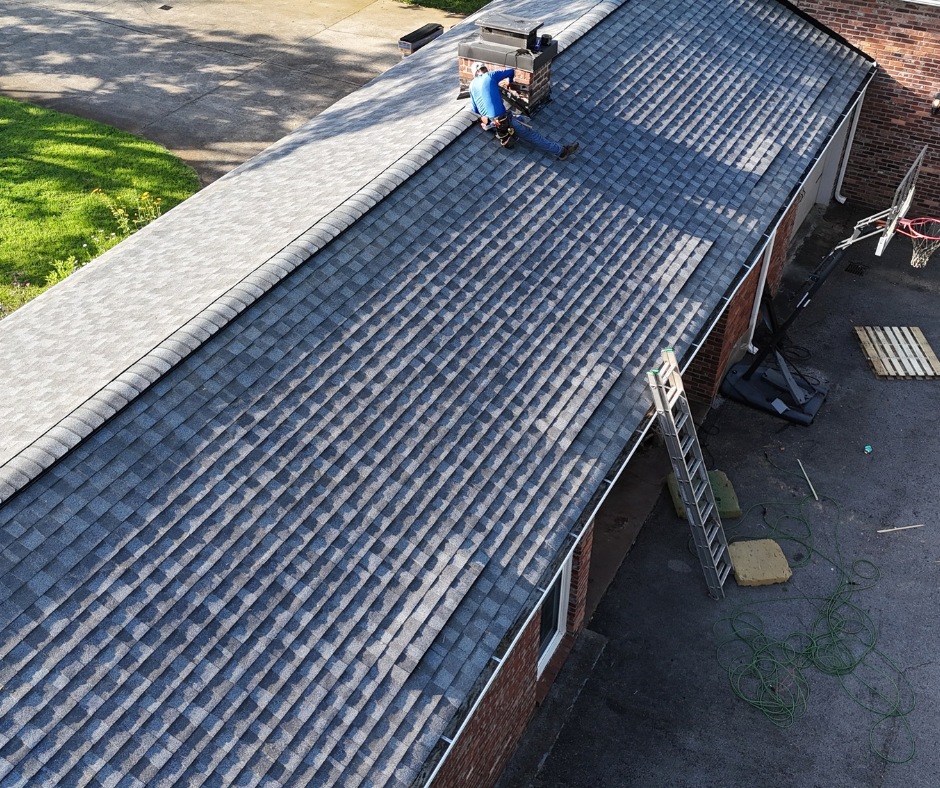
When appropriate, drone photography can provide additional visual documentation without unnecessary foot traffic on roofing materials.
Homeowners should come away understanding three important things:
- What is the current observable condition of my roof?
- Are there problems requiring attention?
- What maintenance or improvements could help protect my investment?
Photographs, clear explanations, plus documented observations make that information more useful for future maintenance decisions.
Understanding the Difference Between a Roof Concern & a Roofing Emergency
Not every roofing concern requires immediate action.
A minor maintenance issue may be appropriate to monitor or address during a scheduled service visit.
An active leak, displaced roofing material, or significant storm-related damage may require prompt attention to limit additional property damage.
Knowing the difference can help homeowners prioritize expenses without ignoring legitimate problems.
This is another reason an objective roof assessment matters.
A Better Approach to Roof Care
At The Roof Guy of Georgia, our philosophy is built around four principles:
Inspect. Understand the roof’s condition through professional evaluation, documentation, plus clear communication.
Repair. Identify the source of problems while addressing localized deficiencies when practical.
Maintain. Help preserve roofing systems through preventative care, cleaning, plus routine attention.
Improve. Identify opportunities to enhance ventilation, drainage, roof performance, plus long-term durability.
Our purpose is to help homeowners understand what their roof actually needs, not create unnecessary roofing projects.
Know Your Roof Before There’s a Problem
You don’t need to become a roofing expert to be an informed homeowner.
Understanding the basic components of your roofing system, recognizing early warning signs, plus keeping up with routine maintenance can make a meaningful difference in protecting your home.
When questions arise, having a knowledgeable roofing resource can help you make decisions based on documented conditions rather than assumptions.
The Roof Guy of Georgia
Roofing Without the Pressure.

Leave A Comment