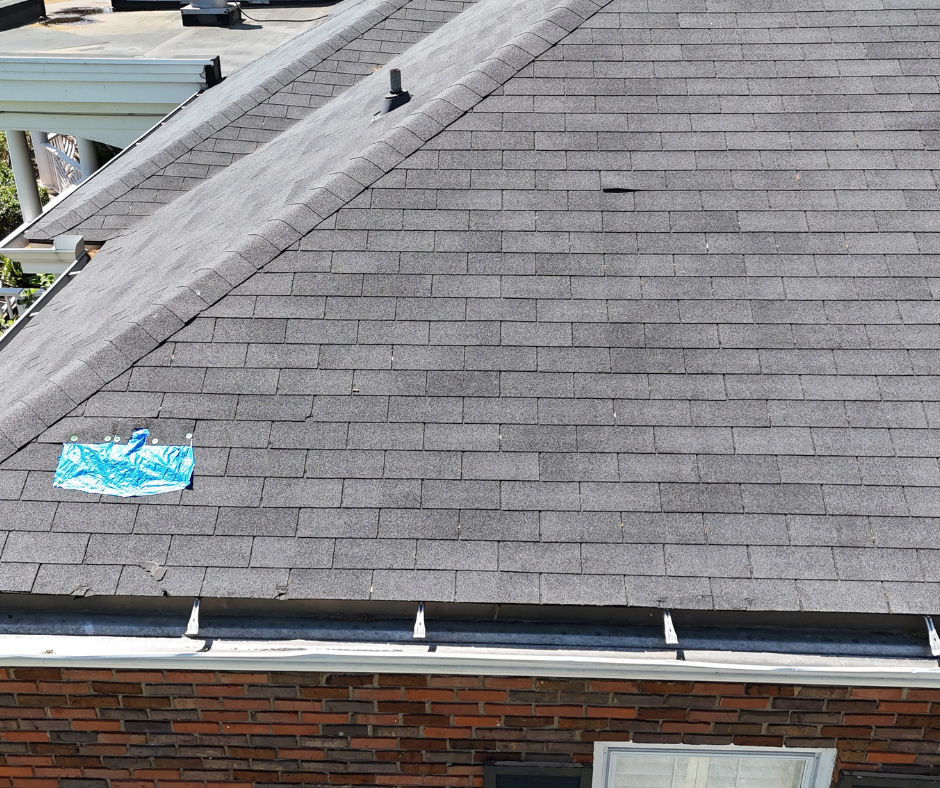
After a strong thunderstorm moves through West Georgia, it’s natural for homeowners to wonder whether their roof sustained damage.
Maybe you noticed a few shingles in the yard. Perhaps a roofing contractor knocked on your door offering a free storm inspection. Or maybe your roof looks exactly the same as it did before the storm.
The challenge is knowing the difference between actual storm damage, normal aging, plus routine maintenance concerns.
Not every roofing irregularity is storm damage. Likewise, some legitimate storm damage may not be obvious from the ground.
At The Roof Guy of Georgia, we believe homeowners deserve clear, documented information before making decisions about repairs or insurance claims.
Why Identifying Roof Damage Isn’t Always Simple
Your roof is constantly exposed to sunlight, temperature changes, rainfall, humidity, plus wind.
Over time, these conditions affect roofing materials.
Asphalt shingles may lose granules, sealants may deteriorate, metal flashing may develop corrosion, plus rubber components may become brittle.
These changes can occur gradually without a specific storm event.
Severe weather, however, can create damage within minutes.
Distinguishing between the two requires examining the type of damage, its location, surrounding conditions, plus available evidence.
A professional roof assessment should evaluate these factors rather than automatically attributing every condition to a recent storm.
What Does Wind Damage Look Like?
Strong winds create pressure differences across roof surfaces.
Certain areas, including roof edges, corners, ridges, plus transitions, may experience particularly high wind forces.
Depending on wind speed, roof design, installation quality, plus material condition, shingles may lift, crease, tear, or become displaced.
Common indicators of possible wind damage include:
- Missing shingles
- Torn shingle tabs
- Creases across lifted shingles
- Displaced ridge-cap shingles
- Loose flashing
- Exposed underlayment
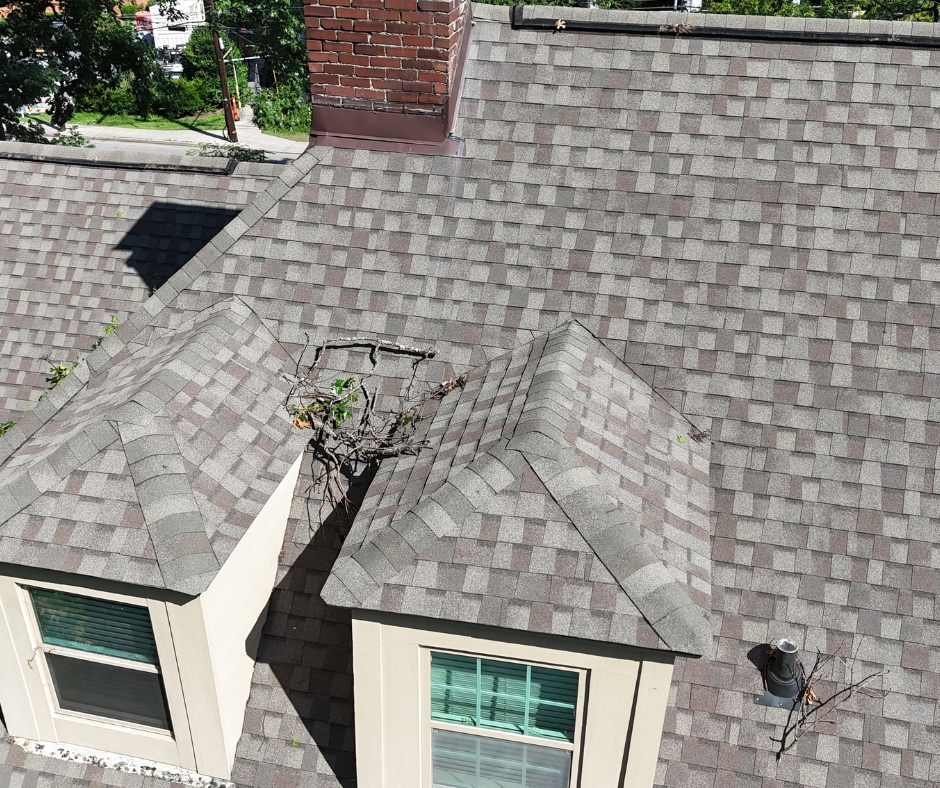
- Roofing debris around the property
However, a shingle that appears slightly raised isn’t necessarily wind-damaged.
Manufacturing characteristics, installation deficiencies, temperature conditions, or previous repairs can affect how shingles lie against the roof.
A qualified evaluation considers the overall evidence.
Understanding Normal Roof Wear
Every roofing material has a finite service life.
Asphalt shingles, metal roofing, sealants, flashing components, plus accessories gradually change as they age.
Common signs of normal weathering may include:
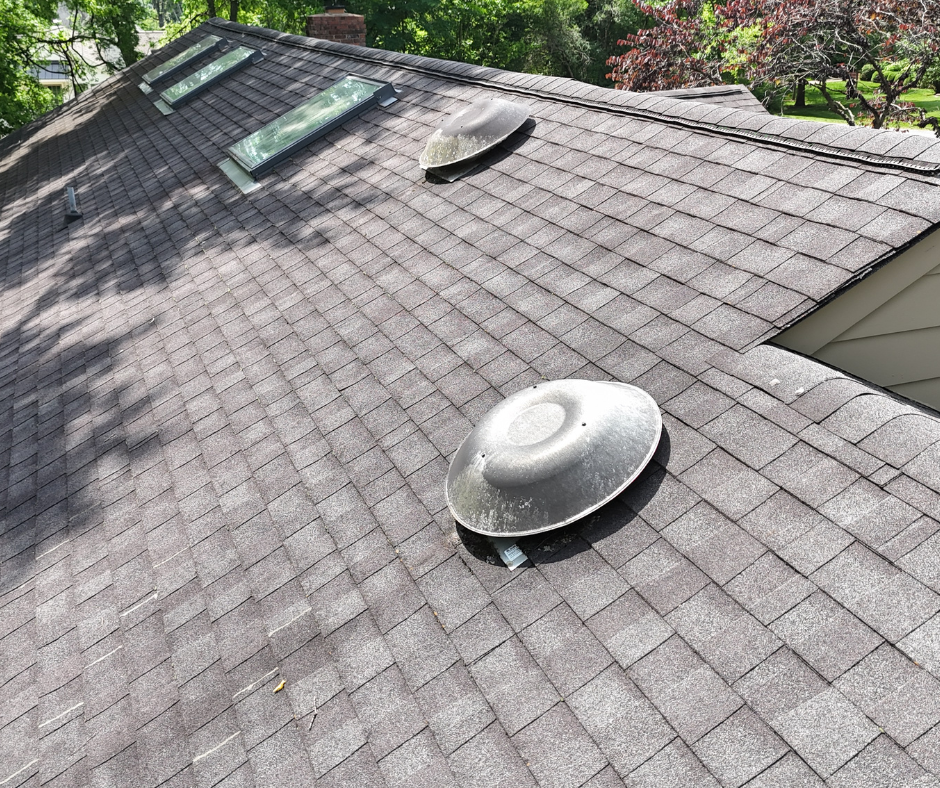
Granule Loss: Asphalt shingles naturally shed some protective granules over time.
Surface Discoloration: Sun exposure, algae growth, plus environmental conditions can change roofing appearance.
Sealant Deterioration: Certain exposed sealants can become brittle or lose adhesion.
Rubber Aging: Plumbing vent boots or other rubber components may crack after years of exposure.
Metal Corrosion: Some flashing components may develop rust or other forms of deterioration.
These conditions deserve attention when they affect roof performance, but they aren’t automatically evidence of storm damage.
Understanding the difference helps homeowners make appropriate maintenance decisions.
Understanding Normal Roof Wear
Every roofing material has a finite service life.
Asphalt shingles, metal roofing, sealants, flashing components, plus accessories gradually change as they age.
Common signs of normal weathering may include:
Granule Loss: Asphalt shingles naturally shed some protective granules over time.
Surface Discoloration: Sun exposure, algae growth, plus environmental conditions can change roofing appearance.
Sealant Deterioration: Certain exposed sealants can become brittle or lose adhesion.
Rubber Aging: Plumbing vent boots or other rubber components may crack after years of exposure.
Metal Corrosion: Some flashing components may develop rust or other forms of deterioration.
These conditions deserve attention when they affect roof performance, but they aren’t automatically evidence of storm damage.
Understanding the difference helps homeowners make appropriate maintenance decisions.
Why the Age of Your Roof Matters
A roof’s age provides useful context, but it doesn’t tell the entire story.
Two roofs installed in the same year can perform differently due to variations in:
- Material quality
- Installation practices
- Sun exposure
- Attic ventilation
- Surrounding trees
- Maintenance history
- Previous storm exposure
An older roof may remain serviceable with appropriate maintenance.
A newer roof can develop localized problems from installation deficiencies, mechanical damage, or severe weather.
The observable condition of the roofing system is more informative than age alone.
Can a Storm Reveal an Existing Roofing Problem?
Absolutely.
Sometimes a homeowner notices a leak immediately following a thunderstorm, then assumes the storm damaged the roof.
That may be true, but another possibility is that heavy rainfall exposed an existing vulnerability.
For example, a deteriorated plumbing vent boot may allow water intrusion during intense rainfall.
A clogged roof valley may redirect water into an area that normally remains dry.
Loose flashing may leak when rain is driven by strong winds from an unusual direction.
In these situations, the storm may have revealed a maintenance issue rather than created the original defect.
Identifying the actual source of water intrusion is essential before deciding how to address it.
Why Documentation Matters
Photographic documentation is one of the most useful tools available during a roof assessment.
Clear images allow homeowners to see conditions that may not be visible from the ground.
They also establish a record that can be referenced later.
A professional assessment may document:
- Specific roofing deficiencies
- Areas of possible storm impact
- Existing wear or deterioration
- Flashing conditions
- Roof penetrations
- Drainage concerns
- Relevant exterior observations
When earlier roof photographs are available, comparisons may provide additional context.
Documentation doesn’t guarantee an insurance outcome, but it helps establish what was observed during the inspection.
Should Every Storm Lead to an Insurance Claim?
No.
Homeowners insurance is generally intended to address covered losses under the terms of the policy, not routine maintenance or ordinary material aging.
A roofing concern may involve storm damage, normal wear, installation deficiencies, or multiple contributing factors.
Before filing a claim, homeowners benefit from understanding the observable condition of their roof.
A professional storm assessment can help identify whether visible conditions appear consistent with a weather event.
The insurance company ultimately determines coverage according to the policy, applicable law, plus its claim investigation.
The Roof Guy provides roof condition evaluations, photographic documentation, plus repair guidance. We do not make insurance coverage determinations.
What About Contractors Offering Free Storm Inspections?
Complimentary roof inspections are common following significant storms.
Many roofing contractors use these inspections to identify potential projects.
That doesn’t mean every free inspection is inaccurate or misleading.
However, homeowners should understand the purpose of the evaluation.
Is the inspection intended to provide an independent assessment of roof conditions, or is it primarily part of a sales process?
A paid, consultation-focused inspection provides a different service.
The homeowner is purchasing professional observations, documentation, plus an explanation of the findings.
The value of that service doesn’t depend on discovering extensive damage.
An inspection that finds no storm damage can be just as valuable as one that identifies a legitimate problem.
What Should You Do If You Suspect Storm Damage?
Start by observing your property from a safe location.
Look for missing roofing materials, displaced flashing, damaged gutters, fallen limbs, or interior water staining.
Photograph anything unusual.
Avoid walking on the roof, particularly if the surface is wet or damaged.
If concerns remain, schedule a professional assessment.
The inspection should help answer three questions:
- What conditions are actually present?
- Are those conditions consistent with storm damage, normal wear, or another cause?
- What repairs, maintenance, or additional evaluation may be appropriate?
These answers provide a more useful foundation for decisions than assumptions based solely on the weather.
The Roof Guy Approach: Facts Before Decisions
The Roof Guy of Georgia focuses on four core services.
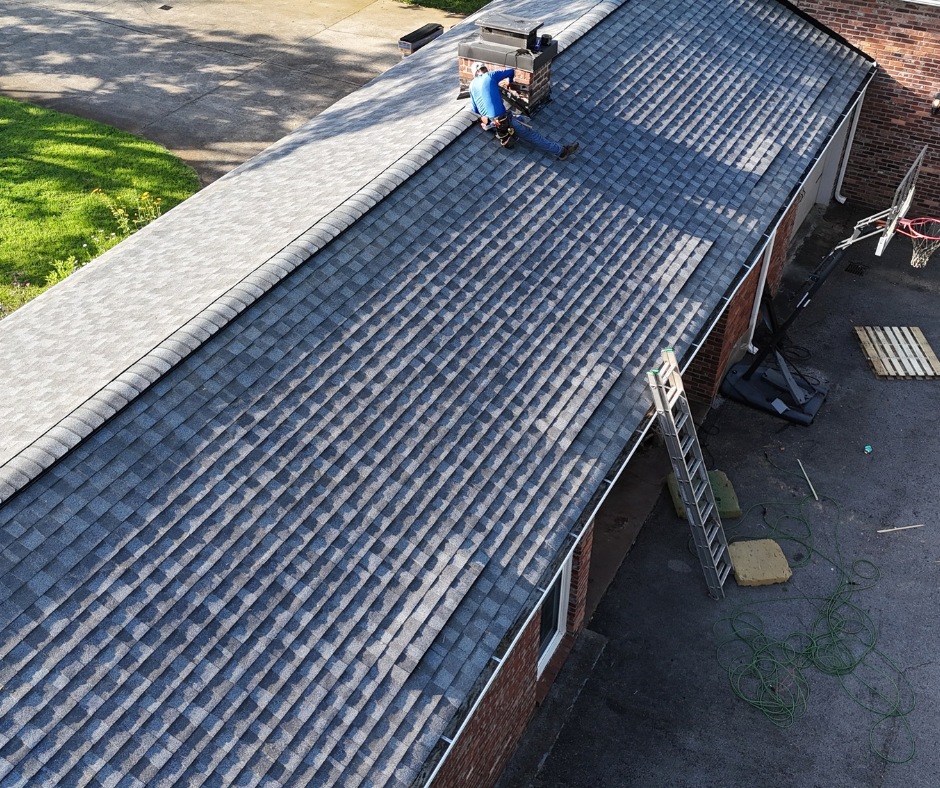
Inspect: Evaluate roofing conditions through professional assessments, drone photography, plus clear documentation.
Repair: Address localized damage, leaks, flashing problems, plus other repairable deficiencies.
Maintain: Help preserve roofing systems through preventative maintenance, cleaning, plus routine attention.
Improve: Identify opportunities to enhance drainage, ventilation, plus roof performance.
Our approach is simple: understand the problem before deciding on the solution.
Your Roof Deserves an Accurate Assessment
Georgia storms can create legitimate roofing damage, but not every visible condition is caused by severe weather.
Normal aging, deferred maintenance, installation deficiencies, plus storm impacts can sometimes look similar.
Understanding the difference helps homeowners avoid unnecessary expenses while addressing problems that genuinely require attention.
For homeowners throughout Carrollton, Villa Rica, Bowdon, plus surrounding West Georgia communities, The Roof Guy of Georgia provides professional roof assessments focused on accurate observations, photographic documentation, plus practical solutions.

Leave A Comment